Haworthia Care Guide
Haworthiopsis attenuata
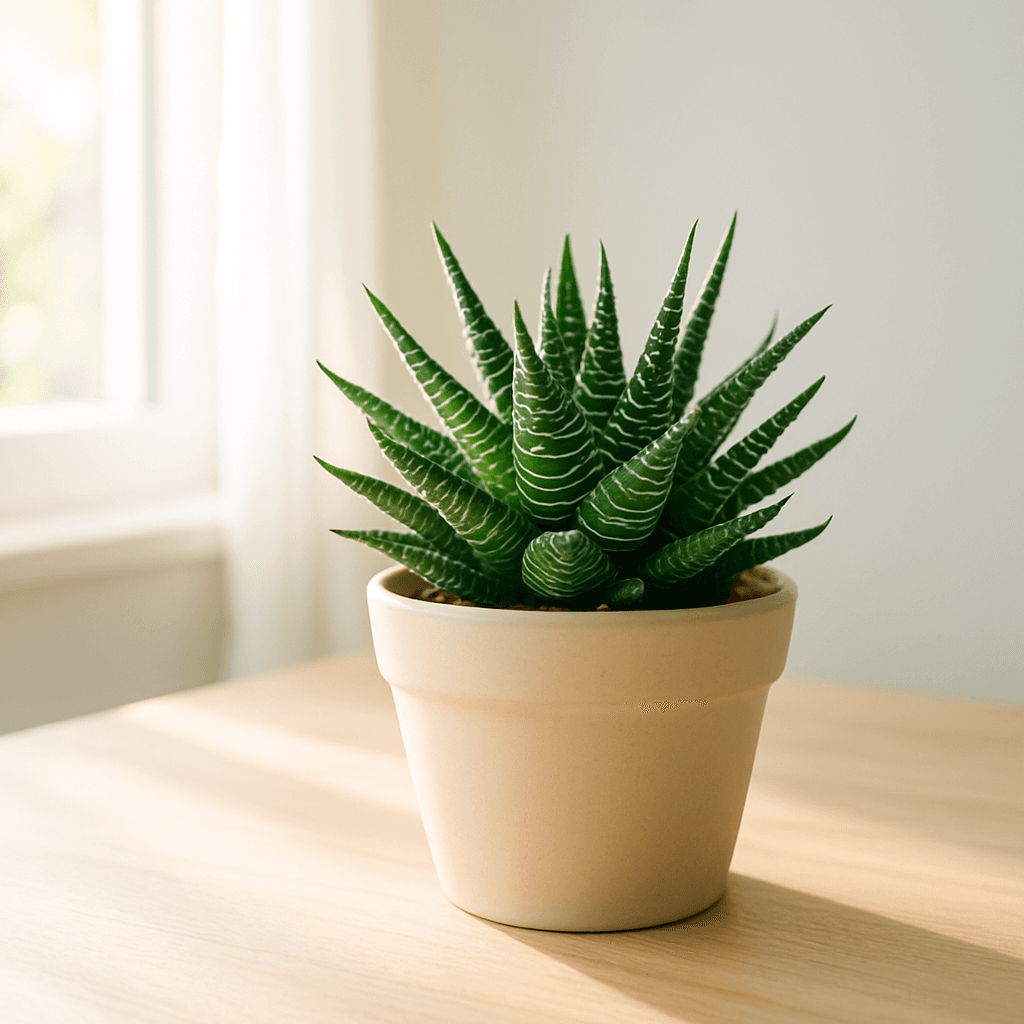
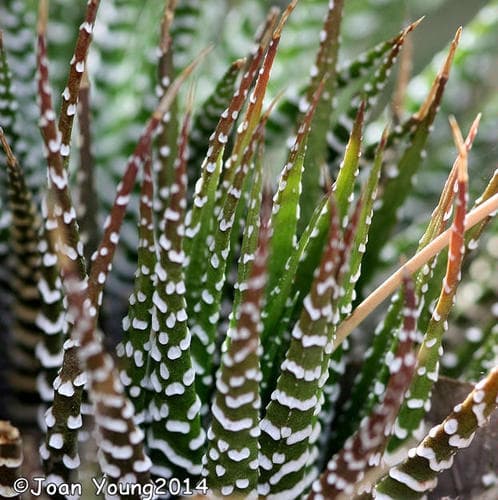
Quick Answer
The number one way people kill a haworthia is by watering it too often — soft, squishy leaves are a distress signal, not a hydration request. Let the soil go completely dry between waterings, and when in doubt, wait another week. Get the watering right and this plant will tolerate almost anything else you throw at it.
⭐Difficulty
Easy
☀️Light
Bright indirect to low direct
💧Watering
Every 2–3 weeks
🌫️Humidity
Low (30–40%)
🌡️Temperature
50–85°F
📈Growth Rate
Very Slow
Toxicity
Source: ASPCA Animal Poison Control
Watering
Summer
Every 2–3 weeks
Winter
Every 4–6 weeks
Method: Allow soil to dry completely
Let the soil dry out completely before you water again — and completely means all the way through, not just the top inch. Stick your finger to the bottom of the pot, or pick it up; if it feels light and the soil is bone dry, it's time. In summer, that usually works out to every 2–3 weeks. In winter, the plant slows down significantly and you're looking at every 4–6 weeks. When you do water, water thoroughly until it drains from the bottom, then leave it alone. Signs you're overwatering: Leaves feel soft and squishy, especially at the base. Stop watering immediately, let the soil dry out completely, and check the roots — if any are brown and mushy, trim them before repotting into fresh dry soil. Signs you're underwatering: Leaves look shriveled and slightly wrinkled but are still firm. Give it a thorough drink and it should plump back up within a day or two.
Light Requirements
Bright indirect to low direct
Haworthia does best in bright indirect light — an east-facing windowsill or set back 2–3 feet from a south or west window is the sweet spot. Unlike most succulents, it won't sulk in lower light conditions, which makes it genuinely one of the better options for rooms that don't get a lot of sun.
Soil & Potting
Soil: Succulent/cactus mix, fast draining
Pot: Small terracotta pot with drainage
Temperature & Humidity
Temperature: 50–85°F (10–29°C)
Humidity: Low (30–40%)
Fertilizing
Frequency: Once in spring
Type: Succulent fertilizer, diluted, once
Common Problems
Soft, Squishy Leaves → Overwatering The leaves will feel almost water-logged, and you may notice the lower leaves going translucent or collapsing at the base. This is root rot starting, and it moves fast. Stop watering immediately, unpot the plant, let the roots air out, cut off anything brown and mushy, and repot into dry cactus mix — don't water again for at least two weeks.
Shriveled Leaves → Underwatering The leaves will look thin, wrinkled, and slightly deflated, but they'll still feel firm rather than soft. Bottom-water for 30 minutes by setting the pot in a shallow dish of water, let it drain fully, and the plant should recover its shape quickly. If it doesn't perk up within 48 hours, check whether the roots are still healthy.
Brown Leaf Tips → Too Much Direct Sun You'll see the tips of the leaves turning dry and papery brown, often with a slightly bleached look on the upper surface. Move it away from any direct afternoon sun — a few feet back from a south or west window usually does it. New growth coming in without brown tips is your confirmation the spot is working.
No Growth → Completely Normal Haworthia grows very slowly even under ideal conditions, so don't take stillness as a sign something is wrong. A healthy plant might only put out a few new leaves over the course of a year. If you're seeing no pests, no rot, and the leaves look firm and green, the plant is doing fine. ---
Propagation
Haworthia propagates through offsets — small pups that grow at the base of the mother plant. Wait until a pup is at least a third of the size of the parent before separating it; pulling them off when they're tiny usually means they don't have enough roots to survive on their own. Gently unpot the whole plant, brush off the soil, and work the pup free with your fingers or a clean knife, keeping as many roots attached as possible. Set the offset aside in a dry spot for a day or two to let the wound callous over, then pot it up in fresh dry cactus mix. Here's where people go wrong: they water it right away. Wait a full week before the first watering, which encourages the roots to reach outward and establish rather than sitting in wet soil and rotting.
Seasonal Care Calendar
🌸 Spring
Increase watering slightly. Good time to separate pups. Fertilize once.
☀️ Summer
Can move to a bright windowsill or shaded outdoor spot. Water every 2–3 weeks.
🍂 Fall
Reduce watering. Fertilizing no longer needed.
❄️ Winter
Very minimal water (every 4–6 weeks). Tolerates the lower light of winter well.