Rabbit's Foot Fern Care Guide
Davallia fejeensis
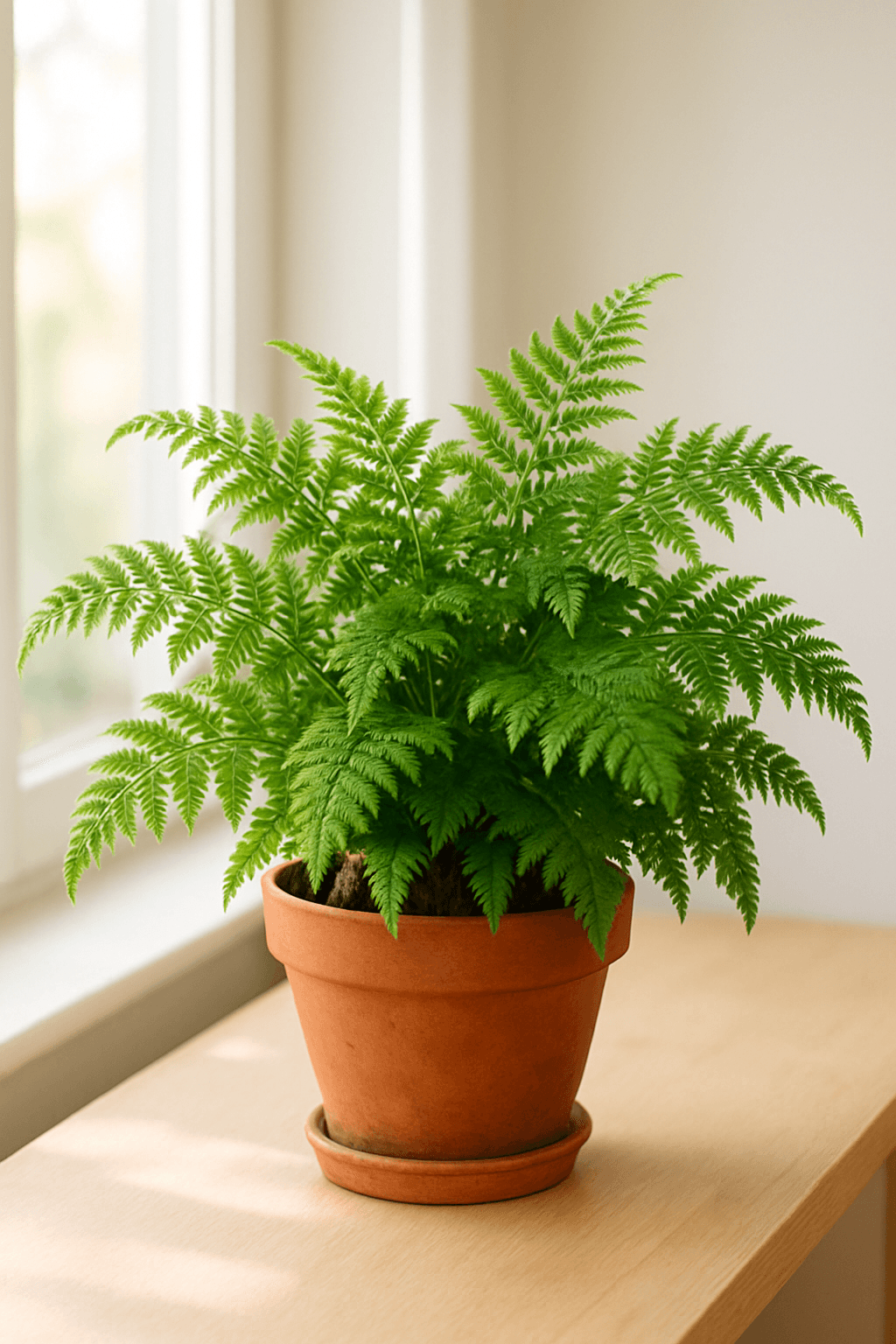
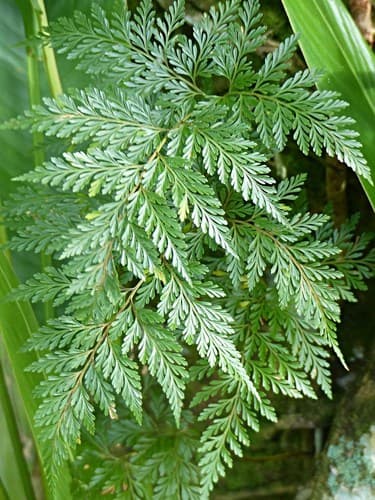
Quick Answer
Most Rabbit's Foot Fern problems trace back to two things: insufficient light and inconsistent watering. It needs genuinely bright indirect light — not just near a window, but in the bright zone where you'd comfortably read without a lamp. Water when the top inch or two of soil is dry rather than on a schedule, and keep humidity above 50% for the best results.
⭐Difficulty
Easy–Moderate
☀️Light
Medium to bright indirect
💧Watering
Every 5–7 days
🌫️Humidity
Medium–High (50–60%)
🌡️Temperature
55–80°F
📈Growth Rate
Moderate
Toxicity
Source: ASPCA Animal Poison Control
Watering
Summer
Every 5–7 days
Winter
Every 7–10 days
Method: Water when top inch is dry; allow drainage; mist the fuzzy rhizomes regularly; do not let fully dry out
In summer, aim to water rabbit's foot fern approximately every 5–7 days; in winter cut back to around every 7–10 days. Rather than following a calendar, water when the top 1–2 inches of soil feel dry. Water thoroughly until water drains from the bottom, then don't water again until the soil passes the dryness check. Yellow leaves often signal overwatering; drooping with dry soil means it needs water now.
Light Requirements
Medium to bright indirect
Rabbit's Foot Fern does best in 2–3 feet from a south- or east-facing window, screened from direct midday sun. A sheer curtain is fine for filtering harsh afternoon sun. Rabbit's Foot Fern adapts to lower light but grows more slowly and the leaves may become smaller.
Soil & Potting
Soil: Epiphyte mix or regular potting mix with extra perlite; well-draining
Pot: Wide shallow pot or hanging basket; rhizomes trail over the edge
Temperature & Humidity
Temperature: 55–80°F (13–27°C)
Humidity: Medium–High (50–60%)
Fertilizing
Frequency: Monthly in spring/summer; skip fall/winter
Type: Balanced liquid fertilizer at half strength
Common Problems
Brown frond tips
Brown frond tips: Low humidity. Increase to 50%+ and mist rhizomes. Catching the problem early makes it much easier to fix — watch for early warning signs and act before the plant is in serious distress.
Rhizomes drying out
Rhizomes drying out: Not misting enough. Mist rhizomes regularly. Catching the problem early makes it much easier to fix — watch for early warning signs and act before the plant is in serious distress.
Yellow fronds
Yellow fronds: Overwatering or too much direct light. Check the roots: if they're dark, mushy, or smell off, root rot has set in. Unpot the plant, trim all affected roots with clean scissors, dust with cinnamon, and repot in fresh dry mix before resuming a cautious watering schedule.
Slow growth
Slow growth: Insufficient light or too cool. Move to medium indirect light; keep above 60°F. Catching the problem early makes it much easier to fix — watch for early warning signs and act before the plant is in serious distress.
Propagation
Rabbit's Foot Fern is typically propagated by rhizome cuttings (2–3 inch sections laid on moist mix), division. Work during the active growing season (spring or early summer) for the best success rate. Keep propagations warm, humid, and in bright indirect light while they establish. Resist tugging on them to test for roots — a gentle resistance when you lightly pull is enough to confirm they've taken.
Seasonal Care Calendar
🌸 Spring
Spring is when Rabbit's Foot Fern starts actively pushing new growth as day length and light intensity increase. Increase watering frequency as the plant becomes more active, begin fertilising every 2–4 weeks with a balanced liquid fertiliser, and this is the ideal window for repotting or taking cuttings.
☀️ Summer
Summer is peak growing season — Rabbit's Foot Fern is working hard and using water and nutrients faster than at other times of year. Water more frequently but check the soil rather than going on a fixed schedule, since heat and higher light accelerate drying. If you move it outdoors, introduce it to conditions gradually to prevent sun scorch.
🍂 Fall
Fall is a transition: Rabbit's Foot Fern grows more slowly as light levels decrease. Reduce watering frequency slightly, stop fertilising by late October, and move it closer to a window to compensate for shorter days. Avoid drafts from opening windows as temperatures drop. Watch for flower buds developing around non-flowering (reproduces by spores) — avoid repotting or relocating the plant at this time.
❄️ Winter
In winter, Rabbit's Foot Fern enters a slower-growth phase and uses water more slowly than in summer. Water less frequently to avoid root issues from soil staying wet too long in low light. If your home is heated and the air is dry, a pebble tray or humidifier keeps the plant comfortable.