Stevia Care Guide
Stevia rebaudiana
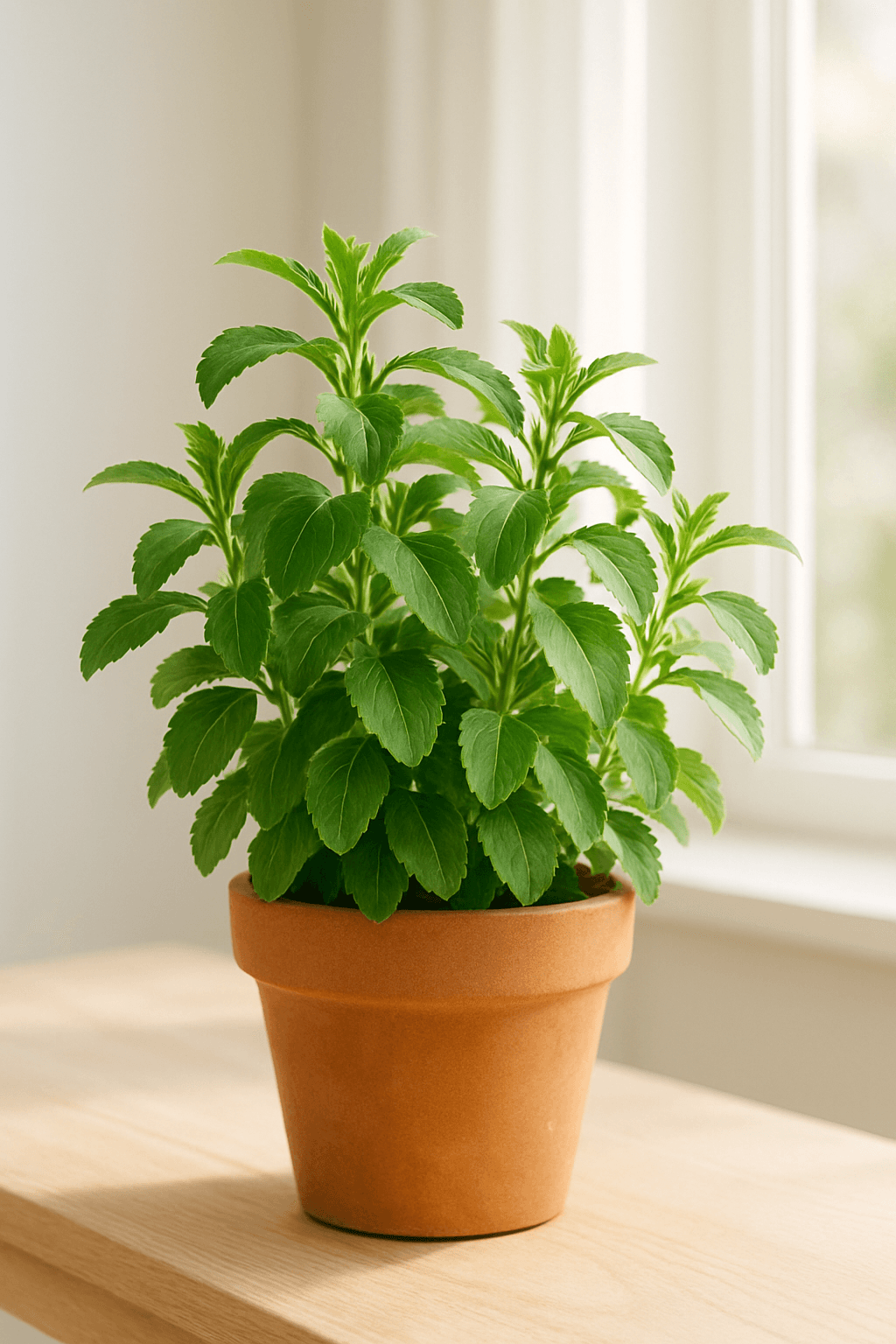
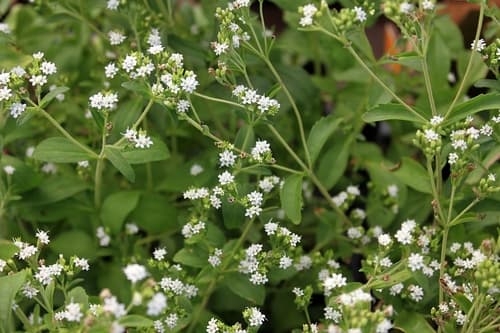
Quick Answer
Stevia is more forgiving than most people expect, but consistent care makes a big difference. Water when the top 1–2 inches of soil are dry rather than on a fixed schedule, give it adequate light for its category, and feed lightly during the growing season. Catching problems early — a change in leaf colour or texture — is the key to keeping it healthy.
⭐Difficulty
Easy
☀️Light
Full sun to bright indirect
💧Watering
Every 3–5 days
🌫️Humidity
Medium (40–60%)
🌡️Temperature
40–90°F
📈Growth Rate
Moderate–Fast
Toxicity
Source: ASPCA Animal Poison Control
Watering
Summer
Every 3–5 days
Winter
Every 7–10 days
Method: Keep soil evenly moist; more moisture-tolerant than Mediterranean herbs; don't let fully dry out
In summer, aim to water stevia approximately every 3–5 days; in winter cut back to around every 7–10 days. Rather than following a calendar, keep the soil evenly moist but never waterlogged. Water when the top 1–2 inches of soil are dry, then water thoroughly so it drains from the bottom. Drooping with moist soil means roots may be struggling; drooping with dry soil is a simple thirst signal.
Light Requirements
Full sun to bright indirect
Stevia does best in a south- or west-facing windowsill where it gets at least 2–4 hours of direct sun. Without direct light, Stevia stretches toward the light source, loses its compact shape, and colour or markings may fade.
Soil & Potting
Soil: Well-draining, slightly acidic potting mix
Pot: Any pot with drainage
Temperature & Humidity
Temperature: 40–90°F (4–32°C)
Humidity: Medium (40–60%)
Fertilizing
Frequency: Every 4 weeks in spring/summer
Type: Balanced liquid fertilizer at half strength
Common Problems
Bitter or less sweet leaves
Bitter or less sweet leaves: Too much heat, flowering, or insufficient light. Pinch flower buds; increase light. Catching the problem early makes it much easier to fix — watch for early warning signs and act before the plant is in serious distress.
Leggy growth
Leggy growth: Low light. Move to sunniest window or add grow light. Leggy, sparse growth means the plant is reaching for more light than it's getting. Move it meaningfully closer to a window rather than just a few inches — plants often need far more light than we assume they do.
Wilting
Wilting: Underwatering or cold shock. Water and warm up. A drooping plant with dry soil is simply thirsty — water it and it should recover within an hour. If the soil is wet and it's drooping, overwatering or root rot is the likely cause; let the soil dry out fully before watering again and check the roots.
Aphids on new growth
Aphids on new growth: Spray with insecticidal soap. Check under leaves and along stems regularly, since pests establish colonies before becoming visible from above. Treat with insecticidal soap or neem oil, covering the undersides of leaves, and repeat every 5–7 days for at least three rounds.
Propagation
The easiest way to propagate Stevia is by stem cuttings. Take a 4–6 inch cutting that includes at least one node (the point where a leaf attaches). Remove any leaves that would be submerged, then place it in water or directly into moist potting mix. In water, roots appear within 2–4 weeks; pot up once they reach an inch long. The thing that trips people up most: taking a cutting without a node. Without a node, the cutting stays green for weeks but will never root.
Seasonal Care Calendar
🌸 Spring
Spring is when Stevia starts actively pushing new growth as day length and light intensity increase. Increase watering frequency as the plant becomes more active, begin fertilising every 2–4 weeks with a balanced liquid fertiliser, and this is the ideal window for repotting or taking cuttings.
☀️ Summer
Summer is peak growing season — Stevia is working hard and using water and nutrients faster than at other times of year. Water more frequently but check the soil rather than going on a fixed schedule, since heat and higher light accelerate drying. If you move it outdoors, introduce it to conditions gradually to prevent sun scorch.
🍂 Fall
Fall is a transition: Stevia grows more slowly as light levels decrease. Reduce watering frequency slightly, stop fertilising by late October, and move it closer to a window to compensate for shorter days. Avoid drafts from opening windows as temperatures drop. Watch for flower buds developing around late summer–fall (flower buds should be pinched to extend leaf sweetness) — avoid repotting or relocating the plant at this time.
❄️ Winter
In winter, Stevia enters a slower-growth phase and uses water more slowly than in summer. Water less frequently to avoid root issues from soil staying wet too long in low light. If your home is heated and the air is dry, a pebble tray or humidifier keeps the plant comfortable.