African Violet vs Bay Laurel
African Violet and Bay Laurel are both solid choices for a bright window, but they couldn't be more different in character. One's a compact, flowering indoor plant; the other is a slow-growing culinary herb that can eventually become a small tree. Here's how to choose between them.

African Violet vs Bay Laurel
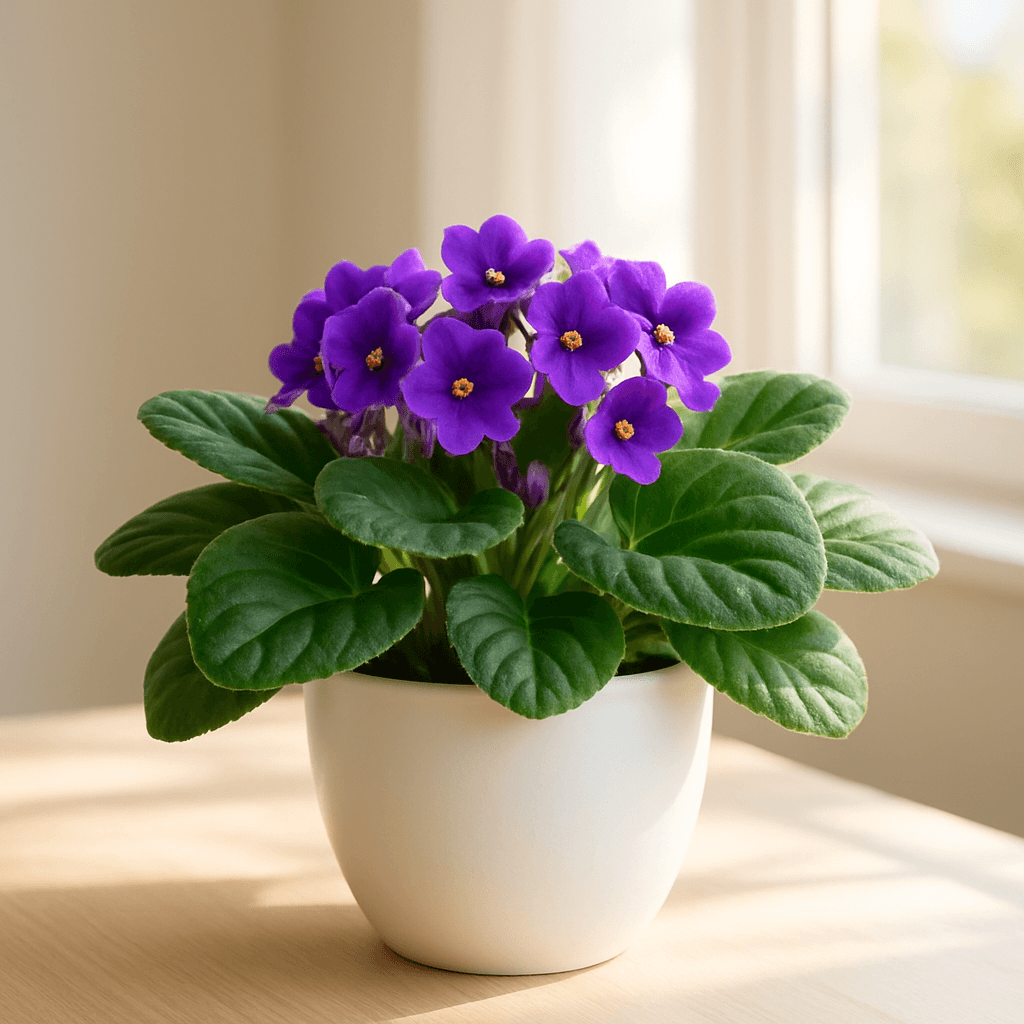
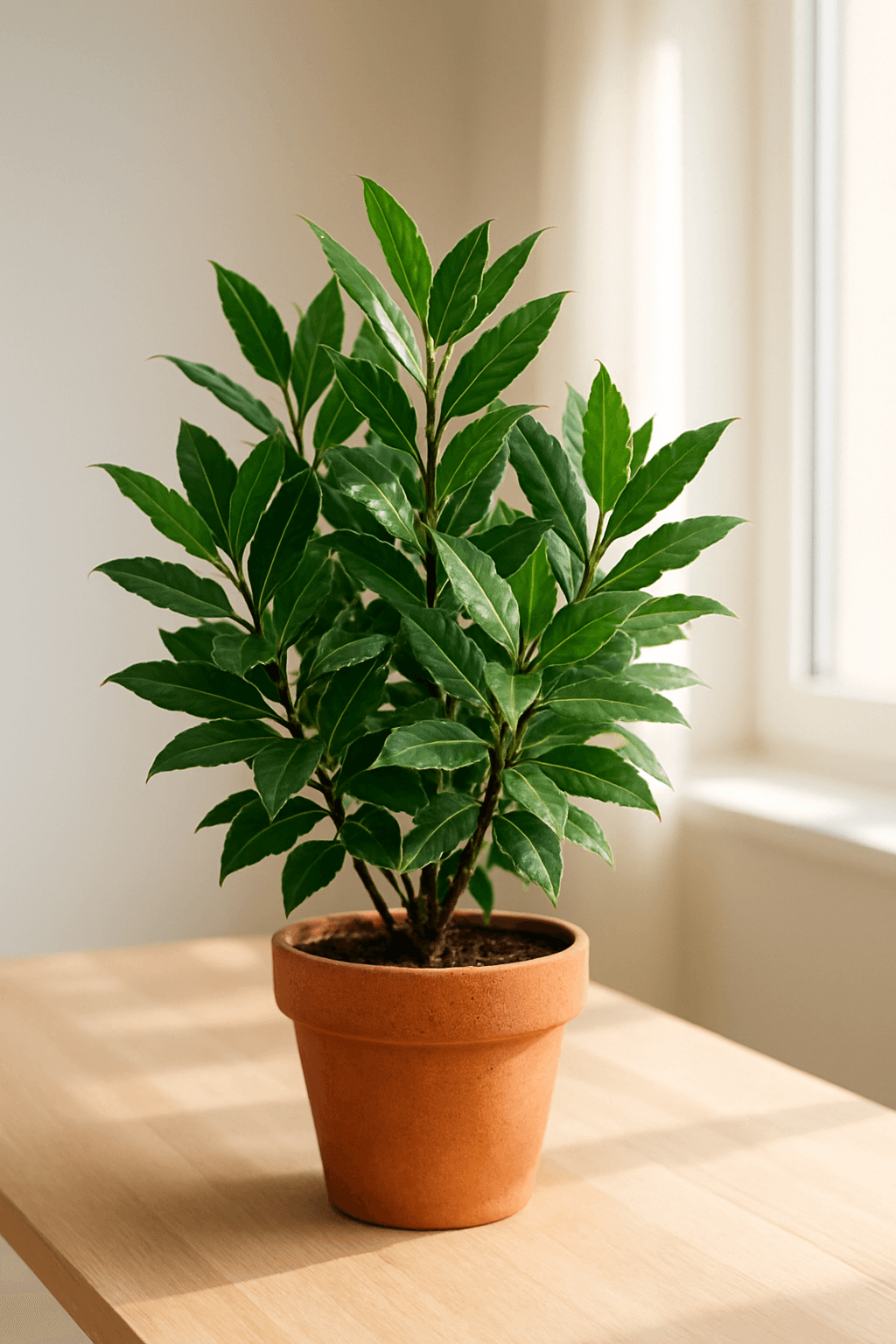
African Violet (Streptocarpus ionanthus) wants bright indirect light and watering every week. Bay Laurel (Laurus nobilis) also does well in bright indirect to full sun light but only needs water every seven to ten days. Both are manageable, but Bay Laurel is slower to establish and grows on a completely different scale.
African Violet
African Violet is a compact, fast-rewarding plant. Give it bright indirect light, water it weekly, and it blooms reliably. It's one of the easiest flowering houseplants you can grow, and it stays small enough for any windowsill.
Bay Laurel
Bay Laurel is a slow-growing Mediterranean herb that doubles as an ornamental. It wants bright light, tolerates some drought, and can live in a pot for years. The leaves are the point here — fragrant, useful in cooking, and aromatic even just brushing against them. It won't bloom indoors, but it adds structure and scent.
Differences
African Violet rewards consistent care with flowers throughout the year. Bay Laurel rewards patience with a useful, long-lived herb you can actually cook with. Neither is difficult, but they serve different purposes. Bay Laurel is less about ornament and more about growing something with practical value.
Which to Pick
Want flowers and color on a windowsill? African Violet. Want a fragrant, useful herb that you'll have for years? Bay Laurel. Both work in a bright spot — they just give you very different things.
The Bottom Line
African Violet and Bay Laurel are both worth growing in a bright spot, but for different reasons. One gives you flowers and color; the other gives you fragrance, structure, and leaves you can actually use in the kitchen.
Frequently Asked Questions
Which is easier?▾
Both are manageable. African Violet needs consistent weekly watering and doesn't like drafts; Bay Laurel is more drought-tolerant but slow to establish.
Low light friendly?▾
Neither does well in low light. African Violet needs bright indirect light; Bay Laurel does best with bright indirect to full sun.
Watering schedule?▾
African Violet: once a week. Bay Laurel: every seven to ten days. Let the soil dry slightly between waterings for Bay Laurel.
Best choice?▾
Pick African Violet for flowering ornamental appeal. Pick Bay Laurel if you want a slow-growing culinary herb with long-term presence.