Dracaena Care Guide
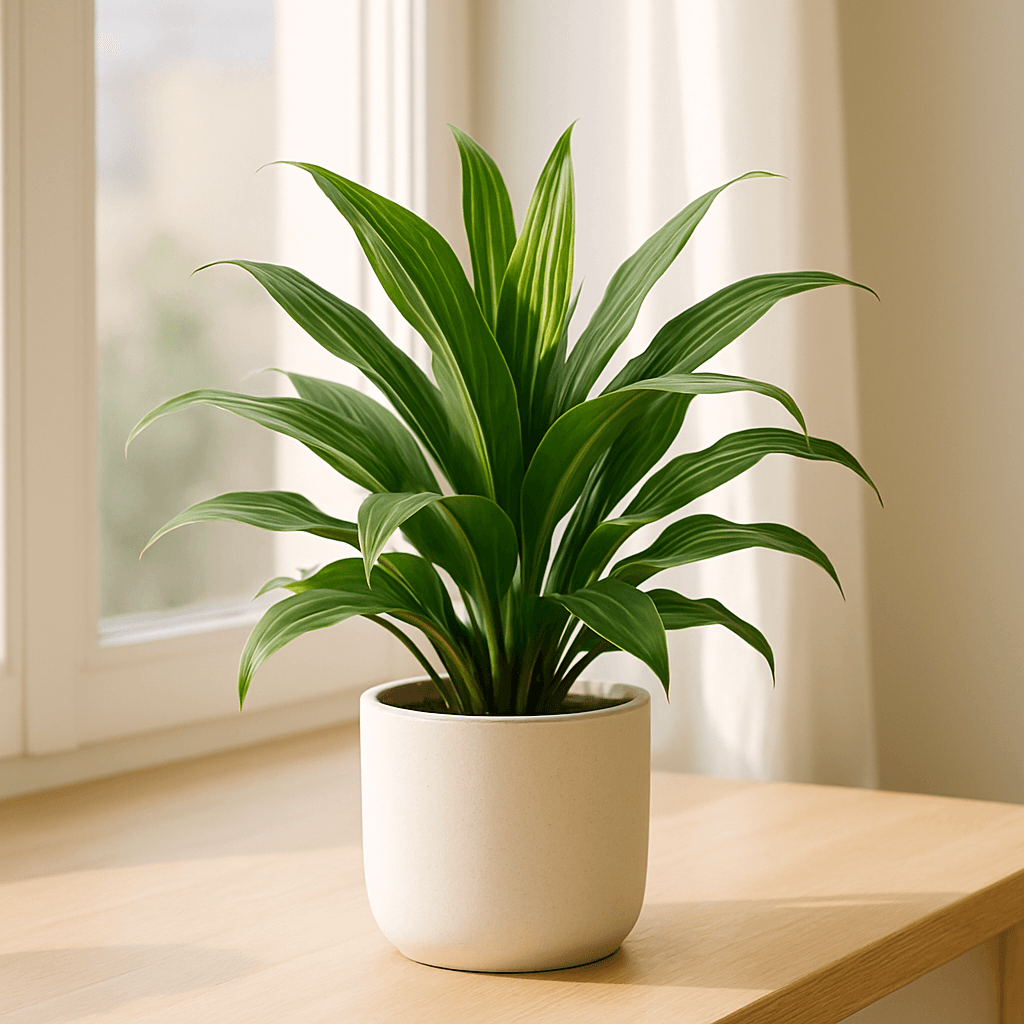
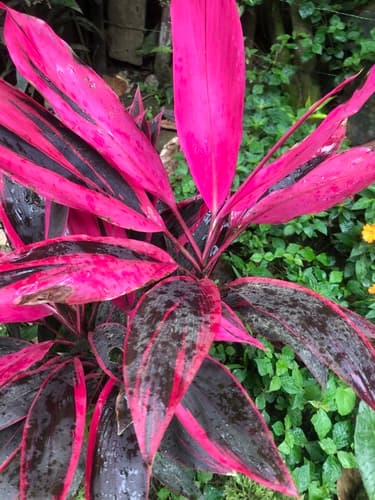
Dracaena marginata
Quick Answer
The single thing that ruins most dracaenas is tap water — the fluoride in it builds up in the soil and burns the leaf tips in a way that can't be reversed. Switch to filtered or rainwater from day one, not after the damage shows up. Beyond that, dracaenas are genuinely forgiving plants that tolerate neglect better than most.
⭐Difficulty
Easy
☀️Light
Low to bright indirect
💧Watering
Every 1–2 weeks
🌫️Humidity
Low–Medium (30–50%)
🌡️Temperature
60–85°F
📈Growth Rate
Slow
Toxicity
Source: ASPCA Animal Poison Control
Watering
Summer
Every 1–2 weeks
Winter
Every 2–3 weeks
Method: Allow top half of soil to dry before watering
Let the top half of the soil dry out before you water again — stick your finger in about halfway down, and if it's still damp, wait a few more days. In spring and summer, that usually means watering every 1–2 weeks. In fall and winter, the plant slows down and doesn't need much at all, so stretch that to every 2–3 weeks. When you do water, water thoroughly until it drains from the bottom, then empty the saucer. Never let it sit in standing water. Always use filtered water or collected rainwater. Tap water fluoride accumulates in the soil over time and causes leaf tip burn that's permanent — no amount of trimming fixes the underlying problem if you keep using the same water. Signs of overwatering: yellowing lower leaves, soggy soil that never seems to dry out. Signs of underwatering: leaves that curl slightly inward, dry soil pulling away from the pot edges, limp new growth.
Light Requirements
Low to bright indirect
Dracaena marginata does best in bright indirect light — an east-facing windowsill or sitting 3–4 feet back from a south or west window works well. It'll survive in lower light, but growth slows to almost nothing and the leaf color fades, so if your space is dark, a basic grow light run for 10–12 hours a day keeps it from just sitting there looking miserable.
Soil & Potting
Soil: Well-draining potting mix
Pot: Any pot with drainage holes
Temperature & Humidity
Temperature: 60–85°F (16–29°C)
Humidity: Low–Medium (30–50%)
Fertilizing
Frequency: Monthly spring/summer; skip winter
Type: Balanced fertilizer, half strength
Common Problems
Brown tips → Fluoride sensitivity. Use filtered water.
Yellow lower leaves → Overwatering. Reduce frequency.
Soft mushy base → Root rot. Repot immediately with dry soil.
Leggy/bare stems → Low light or natural aging. Propagate top.
Propagation
Dracaena marginata propagates easily from stem tip cuttings or cane sections — both work, and neither requires anything fancy. For a tip cutting, snip 4–6 inches off the top of a stem just below a leaf node, strip the lower leaves, and place it in a glass of filtered water or directly into moist potting mix. If you're using soil, keep it consistently moist but not wet and put a clear plastic bag loosely over the cutting to hold humidity — roots typically form in 3–6 weeks. The thing that trips most people up is using a stem section that's too short and has no node on it, or cutting from a very old, woody stem that's slow to root. Use green, actively growing stems when you can, and don't give up early — dracaena cuttings sometimes sit there looking completely dead for weeks before anything happens.
Seasonal Care Calendar
🌸 Spring
Resume fertilizing. Use filtered water only. Good time to wipe glossy leaves.
☀️ Summer
Water and feed consistently with filtered water. Watch for spider mites in dry heat.
🍂 Fall
Stop fertilizing. Reduce watering gradually as growth slows.
❄️ Winter
Water minimally. Keep away from drafts. Filtered water only — tap water damage is irreversible.