Snake Plant Care Guide
Dracaena trifasciata
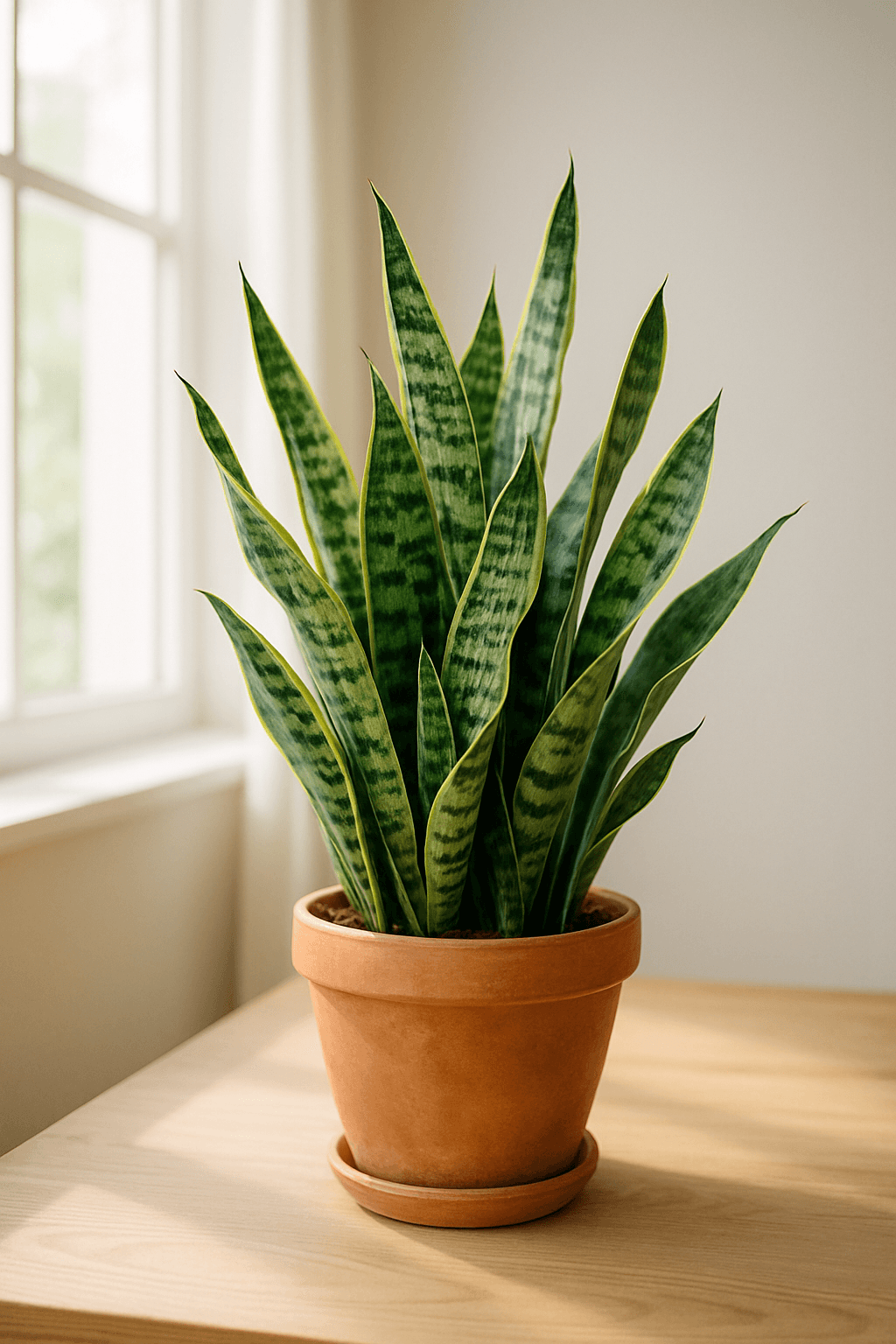
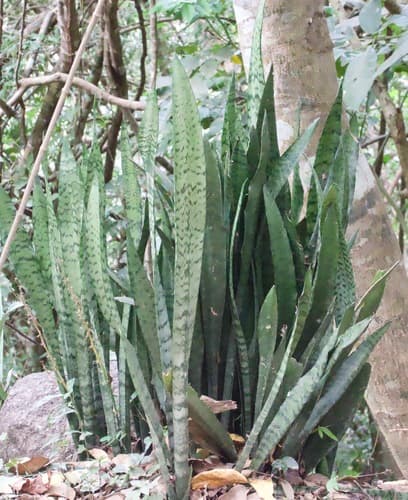
Quick Answer
The number one way people kill a snake plant is by watering it like a tropical houseplant — it's not one. Those thick leaves store water, so when you see it sitting in a dim corner looking a little sad, the answer is almost never "water it more." Master the watering schedule and you've done 80% of the work.
⭐Difficulty
Easy
☀️Light
Low to bright indirect
💧Watering
Every 2–6 weeks
🌫️Humidity
Low (30–50%)
🌡️Temperature
55–85°F
📈Growth Rate
Slow
Toxicity
Source: ASPCA Animal Poison Control
Watering
Summer
Every 2–6 weeks
Winter
Every 6–8 weeks
Method: Bottom watering preferred; allow soil to dry completely
The golden rule: let the soil dry out completely between waterings. Stick your finger 2 inches into the soil — if there's any moisture at all, wait. If it's bone dry all the way down, it's time. Frequency: - Spring/Summer: Every 2–6 weeks depending on light and temperature - Fall/Winter: Pull back to every 6–8 weeks — the plant slows down and needs almost nothing Method: Bottom watering works best here. Set the pot in a tray or bowl of water for 30 minutes, let the soil draw up what it needs, then pull it out and let it drain fully before putting it back in its spot. This encourages roots to grow downward and avoids wetting the center of the plant, which can cause rot. Signs you've overwatered: Leaves turn yellow or soft and mushy at the base. This is the most common problem and, if it's reached the roots, it can be hard to reverse. Signs you've underwatered: Leaves start to wrinkle slightly or droop. This is much easier to fix — give it a good bottom-water session and it'll perk back up within a day or two.
Light Requirements
Low to bright indirect
Snake plants tolerate low light better than almost any other houseplant, but "tolerates" doesn't mean "prefers" — they'll grow faster and hold their variegation better in bright indirect light, like 2–3 feet from a south- or east-facing window. If you're keeping one in a windowless office or a dark hallway, a basic grow light on a 12-hour timer will keep it from slowly stagnating.
Soil & Potting
Soil: Well-draining succulent/cactus mix
Pot: Terracotta preferred; must have drainage holes
Temperature & Humidity
Temperature: 55–85°F (13–29°C)
Humidity: Low (30–50%)
Fertilizing
Frequency: Monthly in spring/summer; skip winter
Type: Balanced 10-10-10 liquid fertilizer, half strength
Common Problems
Yellow/mushy leaves → Overwatering. Let soil dry completely.
Brown crispy tips → Low humidity or fluoride in tap water. Use filtered water.
Slow or no growth → Low light or needs fertilizing.
Drooping → Underwatering or root bound. Check soil and pot size.
Propagation
The easiest method for beginners is division by pups — if your snake plant has produced offsets at the base, unpot the whole plant, gently separate the pup (with its roots attached) from the mother using clean scissors or a knife, and pot it up in fresh succulent mix. It'll establish quickly and look like a real plant from day one. Leaf cuttings work too: cut a healthy leaf into 3–4 inch sections, let the cut ends callous over for 24 hours, then plant them upright in barely moist succulent mix. Roots take 4–8 weeks to form, and here's what trips people up — if you propagate a variegated variety (like the yellow-edged Laurentii) from a leaf cutting, the new plant will lose its variegation and revert to all-green. If you want to preserve the look of a variegated snake plant, always propagate by division or pups, not by cuttings.
Seasonal Care Calendar
🌸 Spring
Resume monthly fertilizing. Good time to repot crowded pups.
☀️ Summer
Peak growth. Water every 2–4 weeks. Can move outdoors to bright shade.
🍂 Fall
Stop fertilizing. Start reducing watering gradually.
❄️ Winter
Water every 6–8 weeks. No fertilizer. Keep away from cold drafts and heating vents.