Pothos Care Guide
Epipremnum aureum
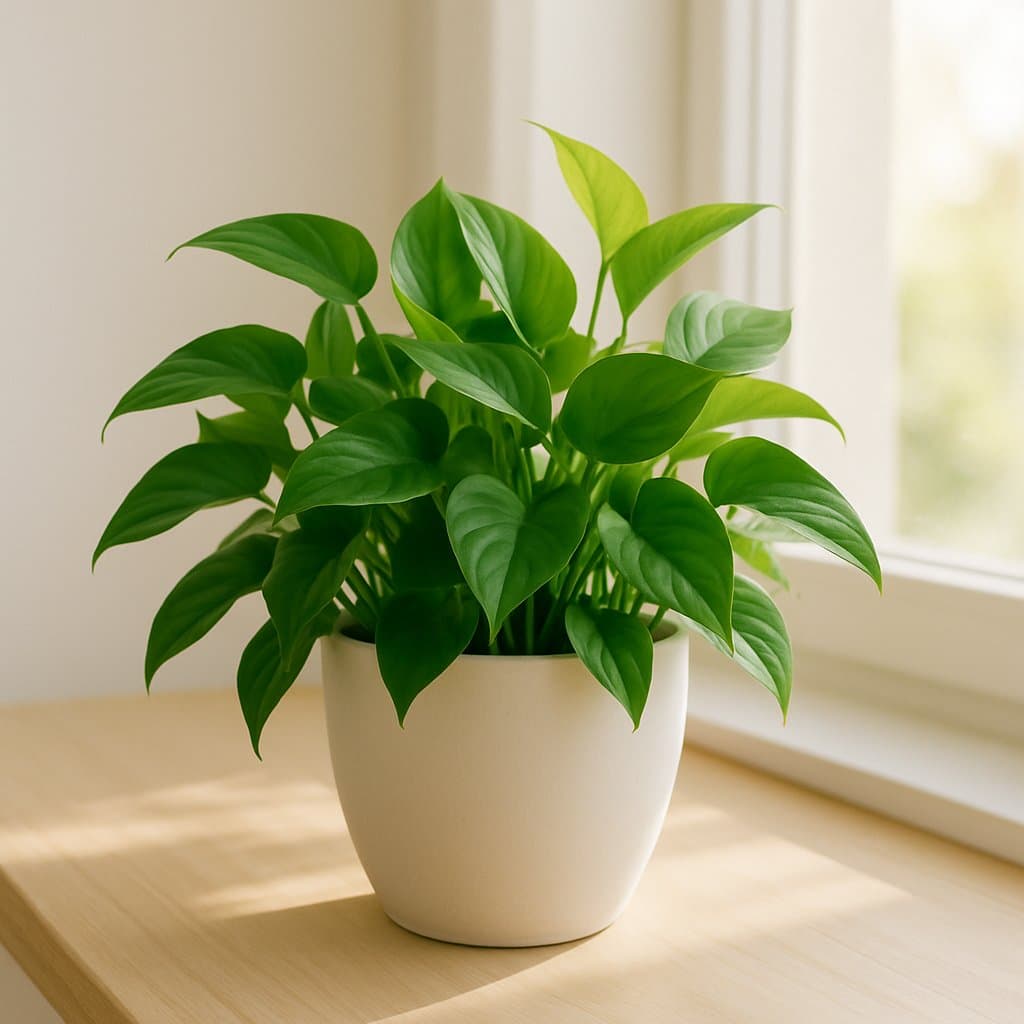

Quick Answer
Pothos is nearly impossible to kill, but the #1 way people mess it up is letting it dry out completely for weeks, then panicking and soaking it—this cycle causes root rot and yellow leaves. Water when the top inch of soil feels dry, and you're golden.
⭐Difficulty
Easy
☀️Light
Low to bright indirect
💧Watering
Every 1–2 weeks
🌫️Humidity
Low–Medium (40–60%)
🌡️Temperature
60–85°F
📈Growth Rate
Fast
Toxicity
Source: ASPCA Animal Poison Control
Watering
Summer
Every 1–2 weeks
Winter
Every 2–3 weeks
Method: Water when top inch of soil is dry
Water when the top inch of soil is dry—stick your finger in and check. In summer that's usually every 1–2 weeks; in winter, every 2–3 weeks. The frequency depends on your pot size, soil type, and how warm your home is, so adjust based on what you see, not a rigid schedule. If the leaves start drooping, water immediately. If they're turning yellow and soft, you've been watering too much—dial it back and let the soil dry out more between waterings.
Light Requirements
Low to bright indirect
Pothos does genuinely well in dim corners where other plants would sulk. That said, it'll grow faster and fuller with more light—an east-facing windowsill or a spot 3–5 feet from a south window is ideal. Avoid direct sun, which washes out the leaves and can scorch them.
Soil & Potting
Soil: Standard potting mix with perlite
Pot: Any pot with drainage holes
Temperature & Humidity
Temperature: 60–85°F (16–29°C)
Humidity: Low–Medium (40–60%)
Fertilizing
Frequency: Monthly in growing season; optional in winter
Type: Balanced 10-10-10 fertilizer, half strength
Common Problems
Yellow leaves
Overwatering is the culprit 90% of the time. Yellowing usually starts on the lower or older leaves first, and the soil will feel soggy or smell sour. Pull back on watering and let the top 2 inches of soil dry out completely before watering again. If the stems feel mushy at the base or the soil smells like rot, unpot the plant, trim off any black or brown mushy roots with clean scissors, and repot into fresh dry potting mix.
Drooping stems and limp leaves
This is underwatering—the leaves go limp and slightly papery, but the soil will be bone dry. Water thoroughly until it drains freely from the drainage hole, then empty the saucer after 30 minutes. The plant should perk back up within 2–6 hours. Going forward, check the soil every 4–5 days rather than on a fixed schedule.
Pale or washed-out leaves
Too much direct sun. The leaves lose contrast and can develop dry, bleached patches—different from the soft yellowing of overwatering. Move the pot to a spot with bright indirect light, at least 2–3 feet from a south- or west-facing window instead of right on the sill. New growth coming in after the move will have better color.
Leggy, sparse growth with big gaps between leaves
Not enough light. Pothos stretches toward any light source it can find, producing long stems with leaves spaced far apart. Move it to within 5 feet of a window. You can cut the leggy vines back by half in early spring to encourage bushier regrowth—new shoots will sprout from just below each cut point.
Propagation
Cut 4–6 inch stems just below a node (the bump where leaves attach), and place them in a glass of water. Change the water every few days to keep it fresh. Roots usually show up in 1–2 weeks. Once roots are ½ inch long, pot them in soil and they'll establish quickly. The trick people miss: don't wait for a massive root system before potting. Those water roots are tender and can struggle when switched to soil suddenly. Pot them with just ½–1 inch of roots and they'll adapt and grow proper soil roots. Alternatively, stick cuttings directly into moist potting soil—they root just fine, though water propagation is more forgiving and fun to watch.
Seasonal Care Calendar
🌸 Spring
Start fertilizing again—once a month with a balanced liquid fertilizer at half the recommended strength is plenty. This is also the best time to take stem cuttings for propagation, since the plant roots fast and bounces back quickly. If your pothos got leggy over winter, trim it now.
☀️ Summer
The plant is in full growth mode and needs water more frequently—check the soil every week. This is the best time to train vines on a wall, moss pole, or trellis if you want a fuller look. The plant responds fast to any changes you make, so it's low-risk to experiment.
🍂 Fall
Stop fertilizing as growth naturally slows. If the plant got long and leggy, trim it back before winter. The cuttings can go straight into water to propagate, giving you free new plants.
❄️ Winter
Water less frequently since the plant isn't actively growing. Light is weaker this time of year, so move your pothos closer to a window if you can. Skip fertilizer entirely until you see new growth returning in late winter or early spring.