Rubber Plant Care Guide
Ficus elastica
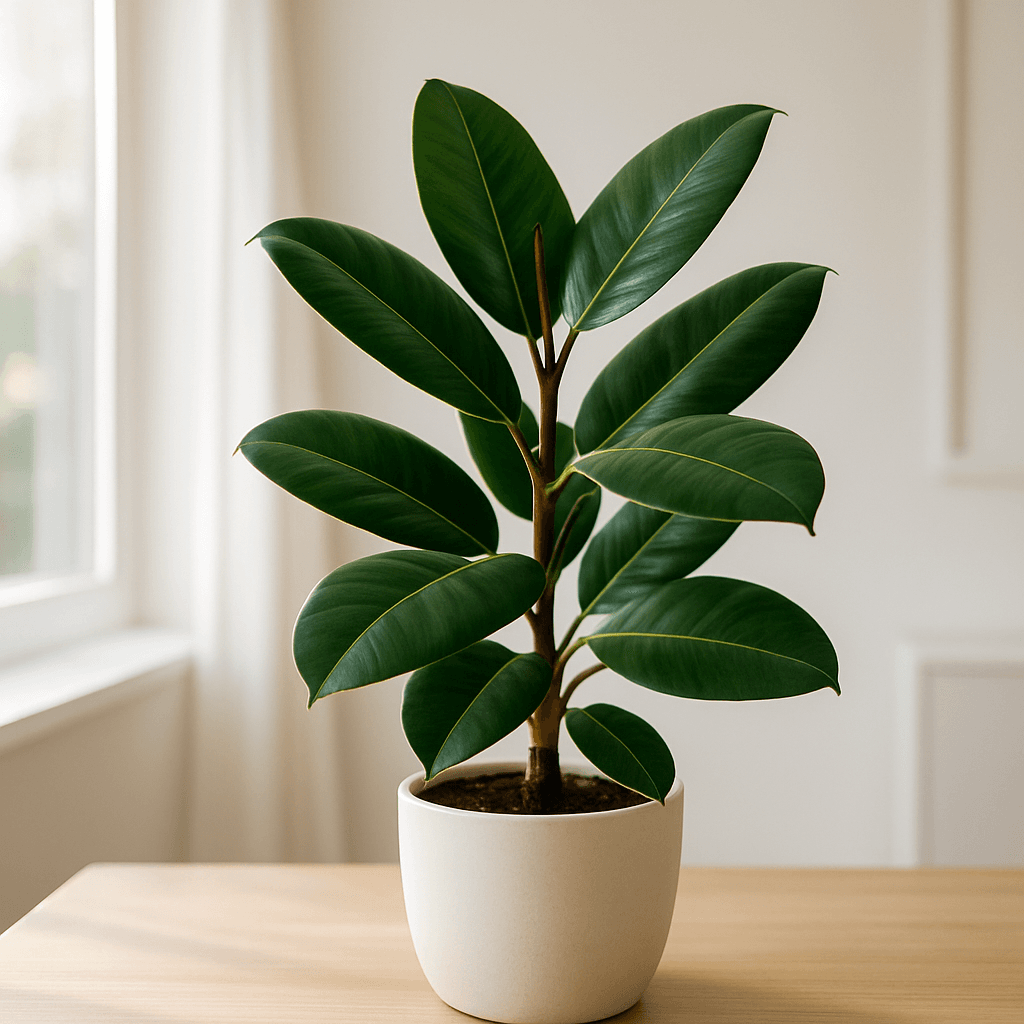
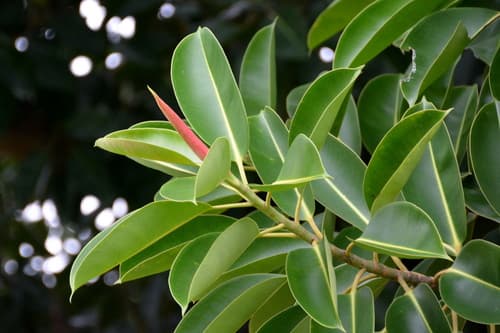
Quick Answer
The biggest mistake people make with rubber plants is being too rough when cleaning those gorgeous leaves — aggressive wiping causes micro-scratches that permanently dull the surface, so always use a soft damp cloth with gentle pressure. Beyond that, rubber plants are pretty forgiving as long as you nail two things: bright indirect light and a watering schedule that lets the soil partially dry out between drinks.
⭐Difficulty
Easy–Moderate
☀️Light
Bright indirect
💧Watering
Every 1–2 weeks
🌫️Humidity
Low–Medium (40–50%)
🌡️Temperature
60–85°F
📈Growth Rate
Moderate–Fast
Toxicity
Source: ASPCA Animal Poison Control
Watering
Summer
Every 1–2 weeks
Winter
Every 2–3 weeks
Method: Allow top 1–2 inches to dry before watering
The method matters as much as the frequency. Check the soil by pushing your finger into the top 1–2 inches — if it still feels damp, wait. If it's dry, water thoroughly until it drains freely from the bottom, then empty the saucer so the roots aren't sitting in standing water. In spring and summer, that typically means watering every 1–2 weeks depending on your pot size, light levels, and how warm your home runs. In fall and winter, the plant slows down significantly and needs far less — every 2–3 weeks is usually right, sometimes longer. Don't water on a rigid calendar. Water based on what the soil tells you. Overwatering signs: yellowing lower leaves, soft mushy stems at the base, soil that stays wet for longer than a week. Underwatering signs: leaves that curl slightly inward, drooping that doesn't recover after watering, dry and pulling-away soil edges.
Light Requirements
Bright indirect
Rubber plants want bright indirect light — think 2–3 feet back from a south- or west-facing window, or right on an east-facing windowsill where they'll catch gentle morning sun without the intensity that causes brown scorch patches. If your space doesn't have great natural light, a full-spectrum grow light run for 10–12 hours a day will keep the plant growing and hold the color in burgundy and variegated varieties, which fade fast in dim conditions.
Soil & Potting
Soil: Well-draining potting mix with perlite
Pot: Heavy pot with drainage
Temperature & Humidity
Temperature: 60–85°F (16–29°C)
Humidity: Low–Medium (40–50%)
Fertilizing
Frequency: Monthly spring/summer; skip winter
Type: Balanced fertilizer, half strength
Common Problems
Yellow leaves → Overwatering. Reduce frequency.
Brown patches → Cold damage or sunburn. Avoid drafts and direct sun.
Leaf drop → Overwatering or low light.
Dull leaves → Dust on leaves. Wipe with damp cloth.
Propagation
Rubber plants propagate well from stem cuttings, and the process is straightforward: cut a 4–6 inch section just below a leaf node using a clean sharp knife, let the cut end sit out for 20–30 minutes until the white milky sap (latex) stops flowing and seals over, then place it in moist perlite or a 50/50 mix of perlite and potting soil. Keep it in bright indirect light, maintain the soil barely moist (not wet), and you should see roots developing in 4–6 weeks. The thing that trips most people up is skipping that drying step — if you stick the cutting straight into soil while it's still weeping latex, it tends to rot instead of root. Patience with that 20–30 minute wait makes a real difference.
Seasonal Care Calendar
🌸 Spring
Resume fertilizing. Wipe leaves clean. Good time to prune for shape.
☀️ Summer
Fast growth. Water and fertilize consistently. Wipe leaves to maximize light absorption.
🍂 Fall
Reduce fertilizing. Clean leaves before the lower-light winter months.
❄️ Winter
Minimal water. Keep in brightest available window. No fertilizer.