ZZ Plant Care Guide
Zamioculcas zamiifolia
Quick Answer
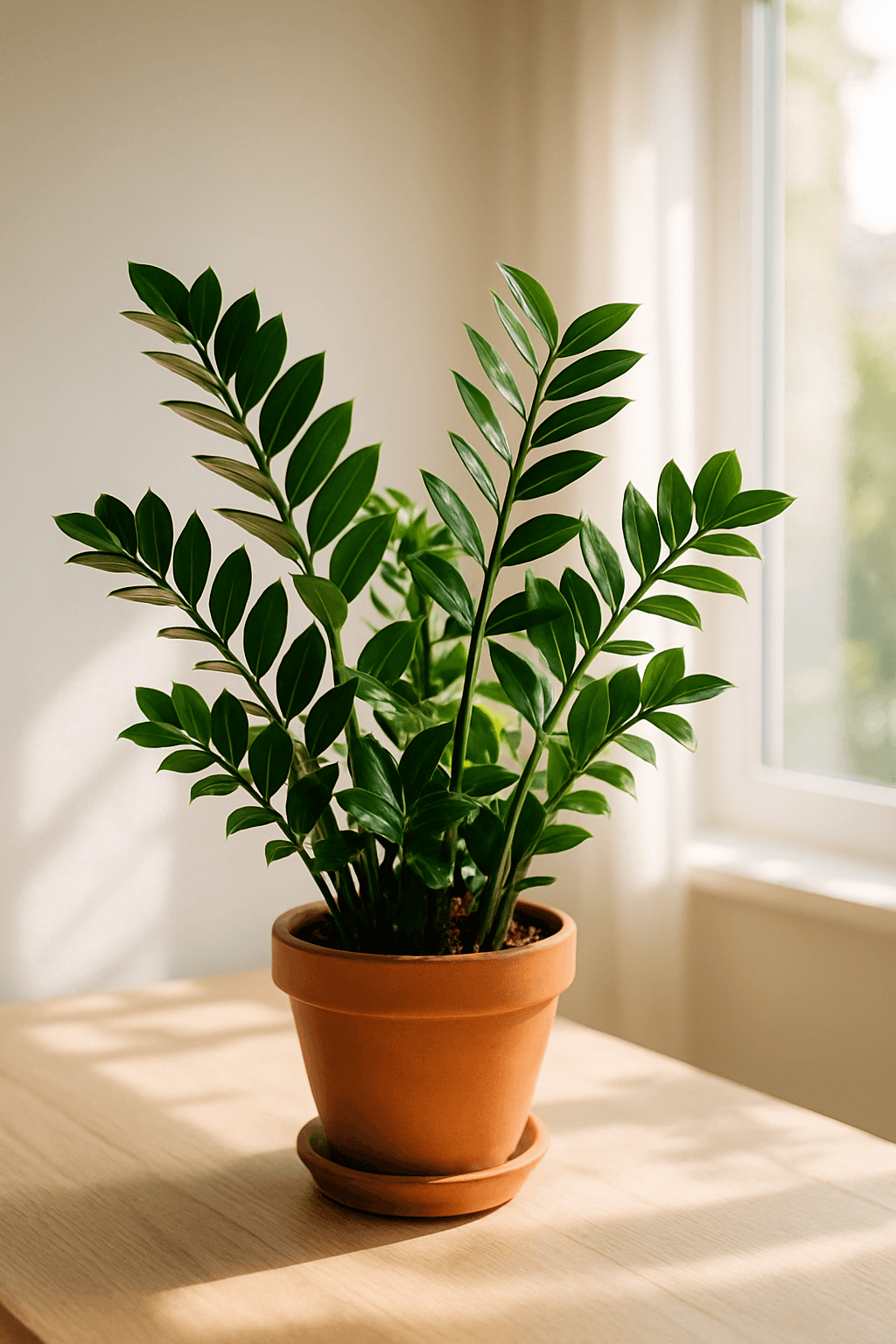
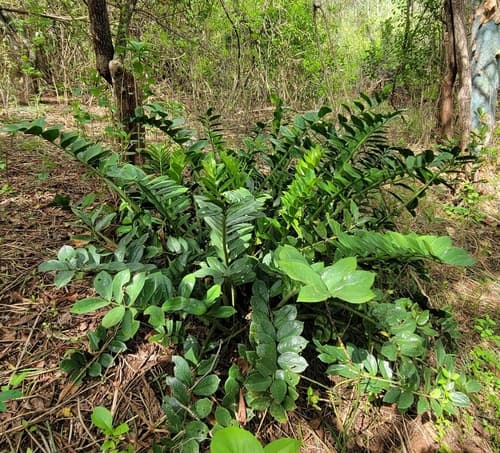
The biggest mistake people make with ZZ plants is repotting them too often — they actually prefer being slightly root-bound and hate having their rhizomes disturbed. Water less than you think you need to, let the soil dry out completely between waterings, and then mostly leave this plant alone. Get those two things right and a ZZ plant will outlast almost anything else in your home.
⭐Difficulty
Easy
☀️Light
Low to bright indirect
💧Watering
Every 2–3 weeks
🌫️Humidity
Low (30–50%)
🌡️Temperature
60–85°F
📈Growth Rate
Slow
Toxicity
Source: ASPCA Animal Poison Control
Watering
Summer
Every 2–3 weeks
Winter
Every 4–6 weeks
Method: Allow soil to dry completely between waterings
The method: Let the soil dry out completely before you water again — not just the top inch, but all the way through. Lift the pot; if it feels light, it's time. If it feels heavy, wait another week. When you do water, water thoroughly until it drains from the bottom, then empty the saucer. The frequency: In spring and summer, that usually means every 2–3 weeks. In fall and winter, stretch that to every 4–6 weeks. The ZZ's rhizomes — those chunky potato-like structures just below the soil — store water the same way a succulent does. The plant is designed for drought, not for consistent moisture. Signs of overwatering: Yellow leaves, soft mushy stems at the base, or a pot that never seems to feel light. This is by far the most common way people damage a ZZ plant. Signs of underwatering: Stems that droop or wrinkle slightly. This is actually much harder to do than overwatering, but if you've truly neglected watering for weeks in summer heat, a thorough watering will perk it back up within a day or two.
Light Requirements
Low to bright indirect
ZZ plants handle low to bright indirect light, which makes them genuinely one of the most flexible plants you can own — an interior shelf 6–8 feet from a window works fine, but they'll grow noticeably faster on a north- or east-facing windowsill with consistent ambient light. If your space has no natural light at all, a basic grow light running 12 hours a day will keep the plant healthy and prevent the leggy, stretched stems that come from true darkness.
Soil & Potting
Soil: Well-draining potting mix with perlite or sand
Pot: Any pot with drainage holes
Temperature & Humidity
Temperature: 60–85°F (16–29°C)
Humidity: Low (30–50%)
Fertilizing
Frequency: Monthly spring/summer; skip winter
Type: Balanced 20-20-20 liquid, half strength
Common Problems
Yellow Leaves → Overwatering Yellow leaves on a ZZ plant are almost always a watering problem, and almost always mean too much, not too little. Check the soil — if it's still damp more than a week after your last watering, you're going too fast. Let the soil dry completely, cut back your watering schedule by at least a week, and check the rhizomes: healthy ones feel firm like a potato; rotting ones feel soft and smell bad. Remove any soft, mushy rhizomes with clean scissors and repot into fresh dry mix if the damage is significant.
Drooping Stems → Underwatering or Root-Bound If stems are flopping over and the soil is bone dry, give the plant a thorough watering and check back in 24–48 hours — it should recover quickly. If the soil moisture isn't the issue, check the pot: roots and rhizomes packed so tightly they're lifting the soil or cracking a plastic pot can restrict water uptake and cause the same drooping. In that case, move up just one pot size — don't jump to a much larger container or you risk waterlogging the excess soil.
Slow Growth → Normal, But Light Helps ZZ plants are slow growers by nature, so don't panic if you haven't seen a new stem in two months. That said, a plant sitting in a dim corner will move even slower than one getting decent indirect light. Move it to a brighter spot — a few feet from an east or south-facing window — and watch for new growth emerging from the soil over the following 4–6 weeks. A pale green emerging stem is the sign it's working.
Brown Leaf Tips → Low Humidity or Over-Fertilizing Brown, crispy tips that work their way in from the edge are usually one of two things: dry air below 30% humidity in winter, or too much fertilizer. ZZ plants don't need much feeding — half-strength balanced fertilizer once a month in spring and summer is plenty. If you've been fertilizing more aggressively, flush the soil with water to clear out salt buildup, then pull back to a lighter schedule. For dry air, grouping it with other plants or placing it away from heating vents helps more than misting does. ---
Propagation
The two methods that actually work are division and leaf cuttings — and leaf cuttings are the one that trips people up because they take an almost comically long time. Division is faster: when you repot an overgrown ZZ, carefully separate the rhizome clumps at natural dividing points, pot each section into its own container with well-draining mix, and water it lightly. You'll see new growth within a few weeks once it settles in. Leaf cuttings take patience: pull a healthy leaf cleanly from the stem, let the cut end callous over for a day, then push it about a centimeter deep into moist perlite or well-draining mix. Keep the soil barely damp — not wet — and put it somewhere with indirect light. A tiny rhizome will form at the base before any top growth appears, and the whole process from cutting to a plant worth potting up takes anywhere from three to nine months. The thing that trips most people up is checking too early, disturbing the cutting, and finding nothing there yet — then assuming it failed. Leave it alone and wait.
Seasonal Care Calendar
🌸 Spring
Resume monthly fertilizing. Examine rhizomes if repotting — they should be firm.
☀️ Summer
Slow, steady growth. Water every 2–3 weeks. Excellent heat tolerance.
🍂 Fall
Stop fertilizing. Begin reducing watering frequency.
❄️ Winter
Water every 4–6 weeks only. One of the best plants for low-maintenance winter care.