String of Hearts Care Guide
Ceropegia woodii
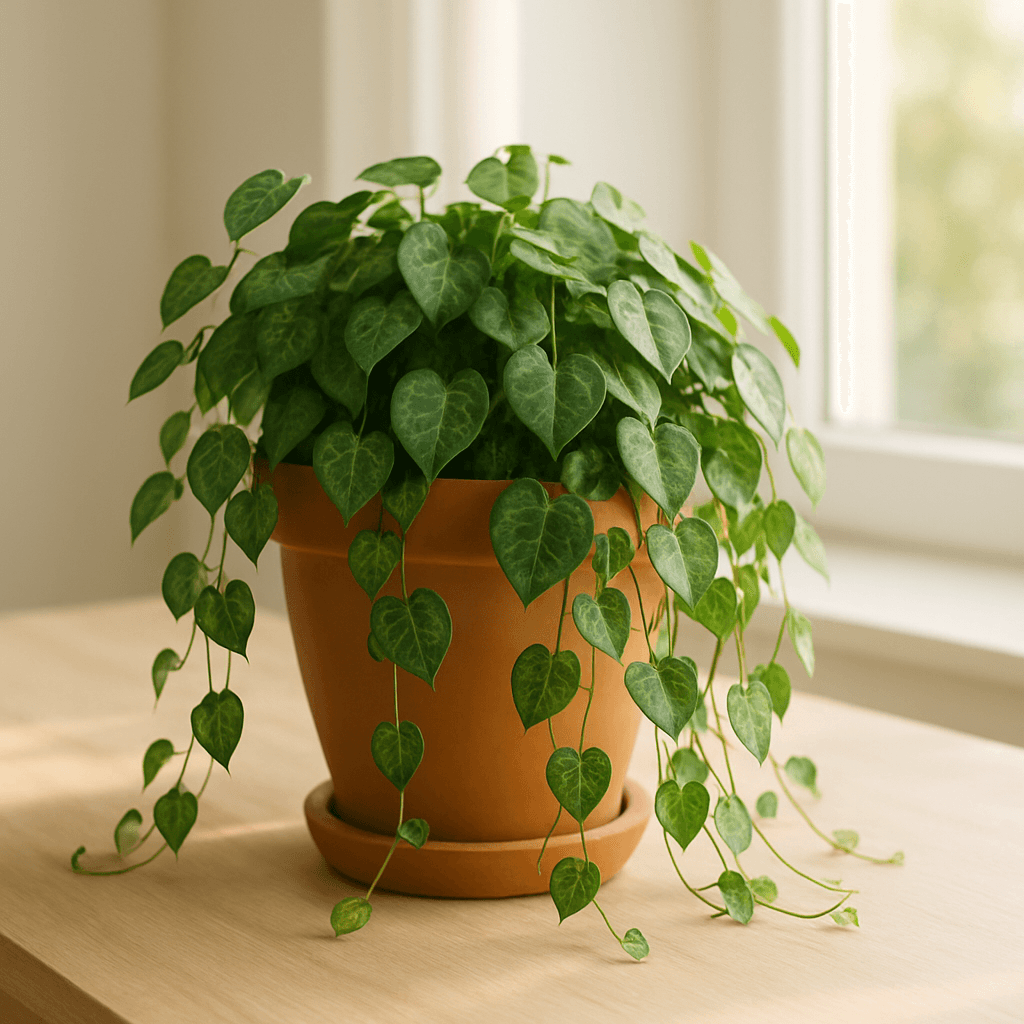
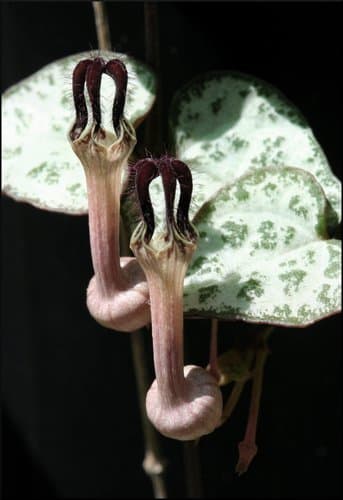
Quick Answer
The number one way people kill string of hearts is watering it like a tropical houseplant — it's not one. These little vines store water in their tubers and roots, so if the soil isn't completely dry before you water again, the tubers rot and the plant collapses fast. Get the watering right and everything else about this plant is genuinely easy.
⭐Difficulty
Easy
☀️Light
Bright indirect
💧Watering
Every 1–2 weeks
🌫️Humidity
Low–Medium (40–50%)
🌡️Temperature
55–80°F
📈Growth Rate
Moderate
Toxicity
Source: ASPCA Animal Poison Control
Watering
Summer
Every 1–2 weeks
Winter
Every 3–4 weeks
Method: Allow soil to dry between waterings
This is where most people go wrong, so let's be specific. In spring and summer, water every 1–2 weeks — but only after you've confirmed the soil is bone dry. Stick your finger to the bottom of the pot. Still slightly cool or damp? Wait another two or three days. When you do water, water thoroughly until it drains from the bottom, then let it dry out completely again. In fall and winter, the plant slows down and needs far less. Stretch watering to every 3–4 weeks. The tubers on the vines are essentially little water tanks, so the plant can handle the wait far better than you'd expect. Overwatering signs: yellowing leaves, soft mushy stems near the soil, a general look of collapse. If you catch it early, pull the plant, let the roots air dry for a day, trim any rotted tubers, and repot into fresh dry succulent mix. Underwatering signs: the heart-shaped leaves will look shriveled and thin rather than plump. Water thoroughly — bottom-watering for 30 minutes works great here — and they'll recover within a day. Use a succulent or cactus mix in a small pot with a drainage hole. A pot that's too large holds too much moisture for too long, which puts the roots at risk.
Light Requirements
Bright indirect
String of hearts wants bright indirect light with a bit of morning sun tolerated — an east-facing windowsill or within two feet of a west-facing window works well. If your trailing stems are growing far apart with small leaves, that's the plant telling you it needs more light, and a grow light placed 6–8 inches above will fix it within a few weeks.
Soil & Potting
Soil: Succulent/cactus mix; well draining
Pot: Small pot with drainage; hanging basket ideal
Temperature & Humidity
Temperature: 55–80°F (13–27°C)
Humidity: Low–Medium (40–50%)
Fertilizing
Frequency: Monthly spring/summer
Type: Balanced succulent fertilizer, diluted
Common Problems
Pale/fading patterns → Insufficient light. Move to brighter spot.
Shriveled leaves → Underwatering. Water thoroughly.
Yellowing → Overwatering. Let dry out more.
Sparse, leggy growth → More light needed.
Propagation
The easiest method is stem cuttings. Take a 3–4 inch cutting just below a node, strip the leaves off the bottom inch, and either place it in a small glass of water or press it directly into moist succulent mix. Water propagation gives you the satisfaction of watching roots develop — usually within 2–3 weeks — while soil propagation often produces stronger roots from the start. Once water-rooted cuttings show roots about an inch long, pot them up straight away; leaving them in water too long makes the transition to soil harder. The thing that trips people up: burying the stem tubers. If you spot those small, bead-like bulbs along a vine, you can press them gently onto the surface of moist soil — don't bury them deep, just nestle them in — pin the vine down with a hairpin or a bent paperclip, and keep the soil just barely moist. They'll send out roots and shoots within a few weeks, and it's one of the most reliable propagation methods this plant offers.
Seasonal Care Calendar
🌸 Spring
Resume watering and fertilizing. Great time to propagate stem cuttings.
☀️ Summer
Fastest growth. Water every 1–2 weeks. Long trailing stems develop quickly.
🍂 Fall
Reduce watering. Trim back excessively long vines if desired.
❄️ Winter
Very minimal water. Keep in bright window. Small tubers on stems can be saved for spring propagation.