Swiss Cheese Vine Care Guide
Monstera adansonii
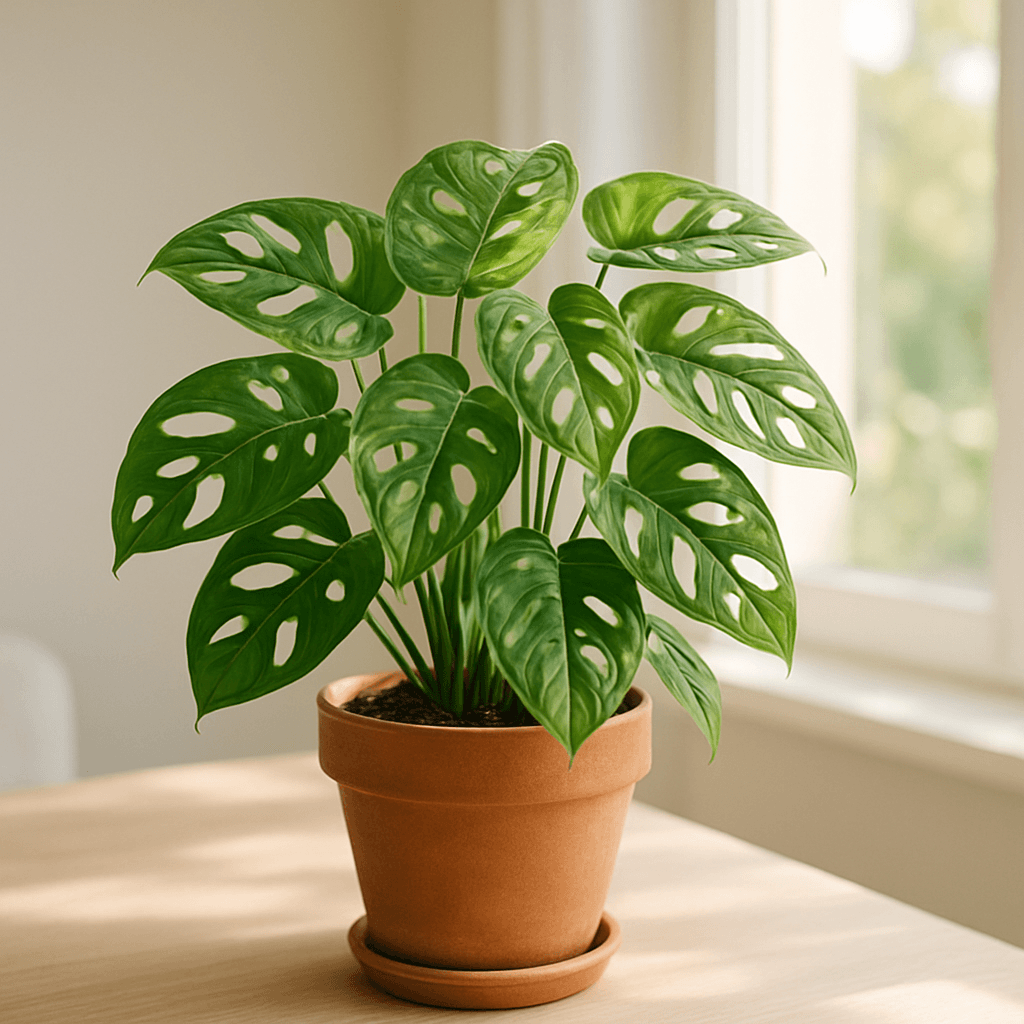
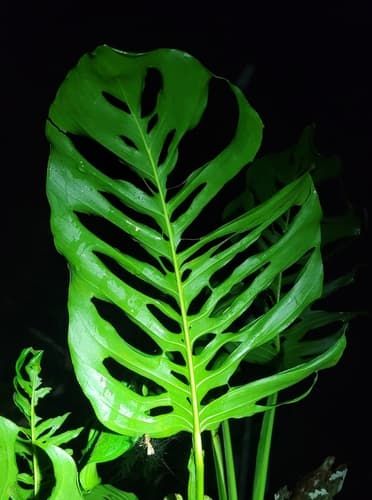
Quick Answer
The number one mistake people make with Swiss Cheese Vine is overwatering — those yellowing leaves aren't asking for more attention, they're telling you to back off. Let the top 1–2 inches of soil dry out completely before you water again, and when in doubt, wait another day. Get the watering right, give it bright indirect light, and this plant will practically take care of itself.
⭐Difficulty
Easy–Moderate
☀️Light
Bright indirect
💧Watering
Every 1–2 weeks
🌫️Humidity
Medium–High (50–60%)
🌡️Temperature
60–85°F
📈Growth Rate
Moderate–Fast
Toxicity
Source: ASPCA Animal Poison Control
Watering
Summer
Every 1–2 weeks
Winter
Every 2–3 weeks
Method: Water when top 1–2 inches are dry
Water when the top 1–2 inches of soil are dry — stick your finger in, not just on the surface. In spring and summer, that usually means watering every 1–2 weeks depending on your pot size, light levels, and how warm your home runs. In fall and winter, growth slows and the plant isn't drinking nearly as much, so stretch that out to every 2–3 weeks. When you do water, water thoroughly until it drains from the bottom, then empty the saucer so the roots aren't sitting in standing water. That last step is where a lot of root rot starts. Signs of overwatering: yellowing leaves, especially lower ones, and soil that stays wet for more than a week. If you press the soil and it feels soggy three days after watering, you're going too often. Signs of underwatering: leaves that look slightly droopy or curled, and soil that's pulling away from the edges of the pot. A good soak will usually perk it back up within a few hours.
Light Requirements
Bright indirect
Swiss Cheese Vine wants bright indirect light — think 2–3 feet from a south or west-facing window, or right on an east-facing windowsill where it gets gentle morning sun. If your space doesn't have great natural light, a grow light run for 10–12 hours a day will keep growth moving and help the leaves develop those characteristic holes.
Soil & Potting
Soil: Well-draining potting mix with perlite
Pot: Pot with drainage; trellis or hanging basket
Temperature & Humidity
Temperature: 60–85°F (16–29°C)
Humidity: Medium–High (50–60%)
Fertilizing
Frequency: Monthly spring/summer
Type: Balanced liquid fertilizer, half strength
Common Problems
Yellow leaves → Overwatering. Allow to dry out more.
Brown edges → Low humidity. Increase with humidifier or grouping.
Few fenestrations → Not enough light. Move closer to window.
Root rot → Overwatering + poor drainage. Repot with fresh soil.
Propagation
Swiss Cheese Vine is one of the easiest plants to propagate. Take a stem cutting just below a node — that's the small bump or joint where a leaf meets the stem — making sure your cutting has at least one node and one leaf. Place it in a glass of water in bright indirect light, changing the water every few days, and you'll usually see roots in 2–4 weeks. Once the roots are an inch or longer, pot it up in a well-draining mix and keep the soil consistently moist for the first couple of weeks while it adjusts. The thing that trips most people up: cutting without a node. No node means no roots, no matter how long you wait — so double-check before you cut.
Seasonal Care Calendar
🌸 Spring
Resume fertilizing. Train vines on a trellis or let them trail from a hanging basket.
☀️ Summer
Fast growth. Water and feed consistently. Trim to encourage bushier growth.
🍂 Fall
Reduce fertilizing. Trim any overly long vines.
❄️ Winter
Minimal water. Move to the brightest available window.