Tradescantia Care Guide
Tradescantia zebrina
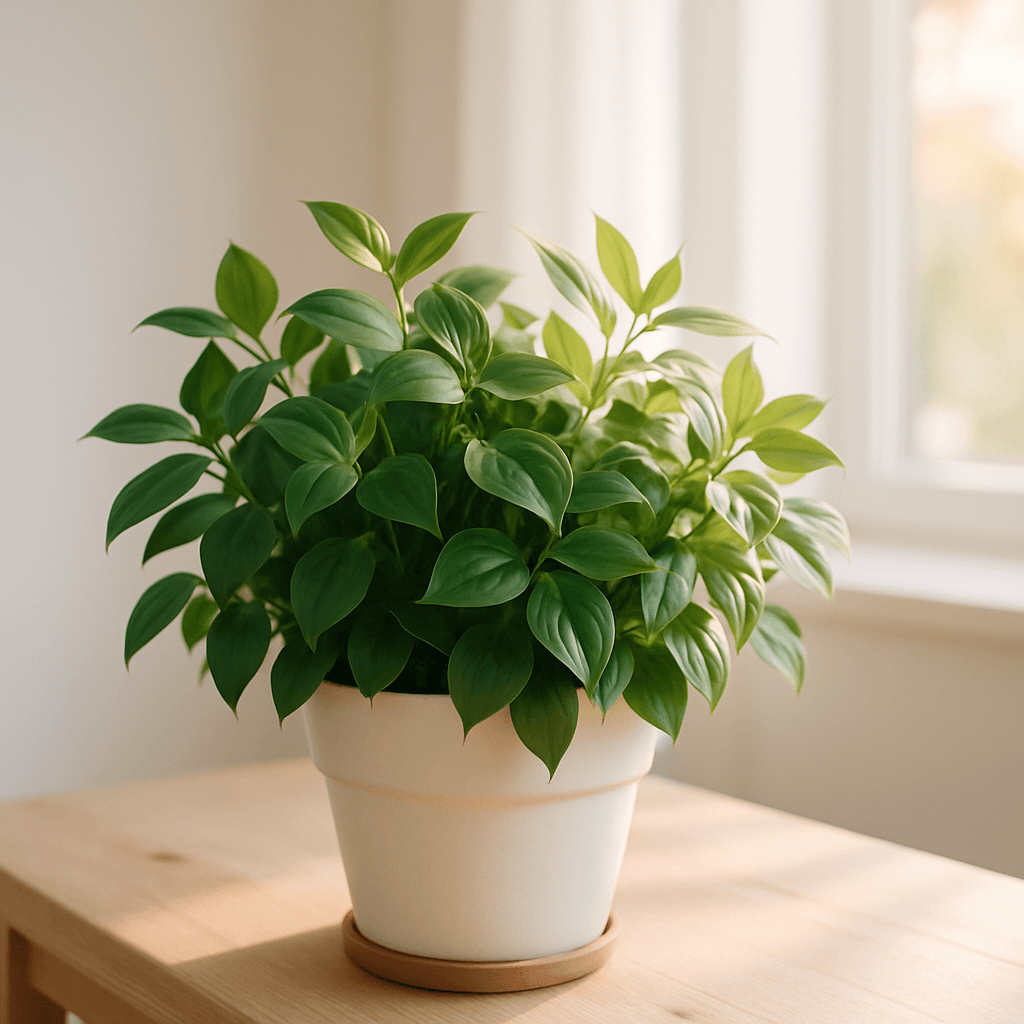
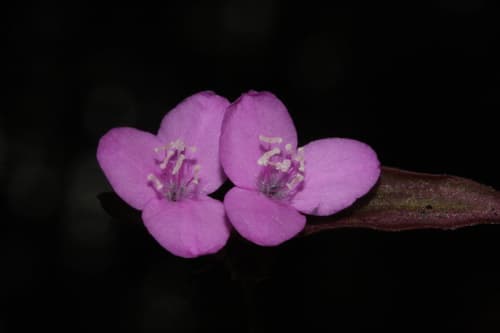
Quick Answer
The most common mistake with Tradescantia is leaving it in low light and wondering why those gorgeous purple and silver stripes are fading to plain green. This plant needs genuinely bright indirect light — not "near a window" but *at* a window. Get that right, and Tradescantia is one of the most rewarding, fast-growing plants you can own.
⭐Difficulty
Easy
☀️Light
Bright indirect
💧Watering
Every 1 week
🌫️Humidity
Medium (40–60%)
🌡️Temperature
55–85°F
📈Growth Rate
Fast
Toxicity
Source: ASPCA Animal Poison Control
Watering
Summer
Every 1 week
Winter
Every 1–2 weeks
Method: Keep slightly moist; allow top inch to dry
In spring and summer, water about once a week — let the top inch of soil dry out, then water thoroughly until it drains from the bottom. In fall and winter, stretch that to every 1–2 weeks as growth slows and the plant needs far less. Don't let Tradescantia sit in bone-dry soil for long. It's not a drought-tolerant succulent — it wants to stay *slightly* moist, not waterlogged, not parched. The leaves will start to look limp and slightly shriveled if you've gone too long without water. Overwatering is the other trap. If the stems feel soft or mushy at the base, you've been too generous. Always check that your pot has drainage, and never let it sit in a saucer full of water.
Light Requirements
Bright indirect
A bright east- or west-facing windowsill is the sweet spot — direct morning sun is fine and actually brings out the deepest purple tones in the leaves. If your space only has north-facing windows, a grow light positioned 6–8 inches above the plant will compensate and keep the variegation sharp rather than washed out and green.
Soil & Potting
Soil: Standard potting mix with perlite
Pot: Any pot with drainage; hanging baskets ideal
Temperature & Humidity
Temperature: 55–85°F (13–29°C)
Humidity: Medium (40–60%)
Fertilizing
Frequency: Monthly spring/summer
Type: Balanced liquid fertilizer, half strength
Common Problems
Fading or green-washed leaves (loss of purple/silver color)
The leaves are losing their variegation — the purple is going muddy and the silver stripes are disappearing. This is almost always a light problem, not a fertilizer or health issue. Move the plant to a brighter spot, ideally directly on a windowsill with an east or west exposure, and within 2–3 weeks of new growth you'll see the colors sharpen back up on the new leaves.
Leggy stems with bare gaps
The stems are long and stringy with wide gaps between leaves, and the plant looks thin rather than full. It's reaching for light *and* hasn't been pinched back. Move it to a brighter spot and pinch off the growing tips — just snap or cut back to a leaf node — which forces the plant to branch out and fill in below.
Mushy stems
The stems feel soft, maybe discolored, and collapse easily when you touch them. That's overwatering, and if it's spread to the roots, you'll need to act fast. Unpot the plant, cut off any mushy sections, let the healthy stems air out for an hour, then repot in fresh well-draining mix and hold off watering for a week.
Leaf drop
Leaves are dropping and the remaining ones look dry or crispy at the edges. Check the soil first — if it's completely dried out, give it a thorough soak and it should bounce back within a day or two. If the soil is fine, check the temperature: anything below 55°F will cause Tradescantia to drop leaves, so keep it away from cold windowpanes and drafts in winter. ---
Propagation
Cut a stem 3–4 inches long just below a leaf node, strip the leaves off the bottom inch, and drop it in a glass of water on a bright windowsill. Tradescantia roots faster than almost any common houseplant — you'll often see roots emerging within 3–5 days. Once the roots are about an inch long, pot the cutting into a standard mix with perlite and keep it consistently moist for the first week while it settles in. The thing that trips people up: waiting too long before moving the cutting from water to soil. Roots grown in water are structurally different from soil roots, and if you let them get long and tangled in water, the transition to soil is harder and the plant sulks. Move them early, when roots are short and stubby, and they'll adjust without missing a beat.
Seasonal Care Calendar
🌸 Spring
This is when Tradescantia wakes up and starts putting out new growth fast. Take the opportunity to prune back any leggy, pale stems that developed over winter — the plant will fill back in quickly, often within weeks. Resume your monthly fertilizing with a balanced liquid fertilizer at half strength once you see active new growth.
☀️ Summer
Peak growing season. This plant will surprise you with how fast it moves — you'll need to pinch it back regularly to keep it looking full rather than stringy. It's also the best time to propagate: cuttings root so fast in summer that you can have a new plant ready to pot up in under a week.
🍂 Fall
Start scaling back. Give the plant a significant trim before growth slows completely — this sets you up for a fuller plant in spring rather than a bare, leggy one. Stop fertilizing by mid-fall; the plant isn't actively growing enough to use it, and unused fertilizer salts can build up in the soil.
❄️ Winter
Water minimally and skip the fertilizer entirely. The plant isn't dormant, but it's in a low-energy phase and doesn't need much from you. If you take cuttings now and root them in water on a bright windowsill, you'll have healthy new plants ready to go once spring arrives — a good way to refresh your collection without buying anything.