Dumb Cane Care Guide
Dieffenbachia seguine
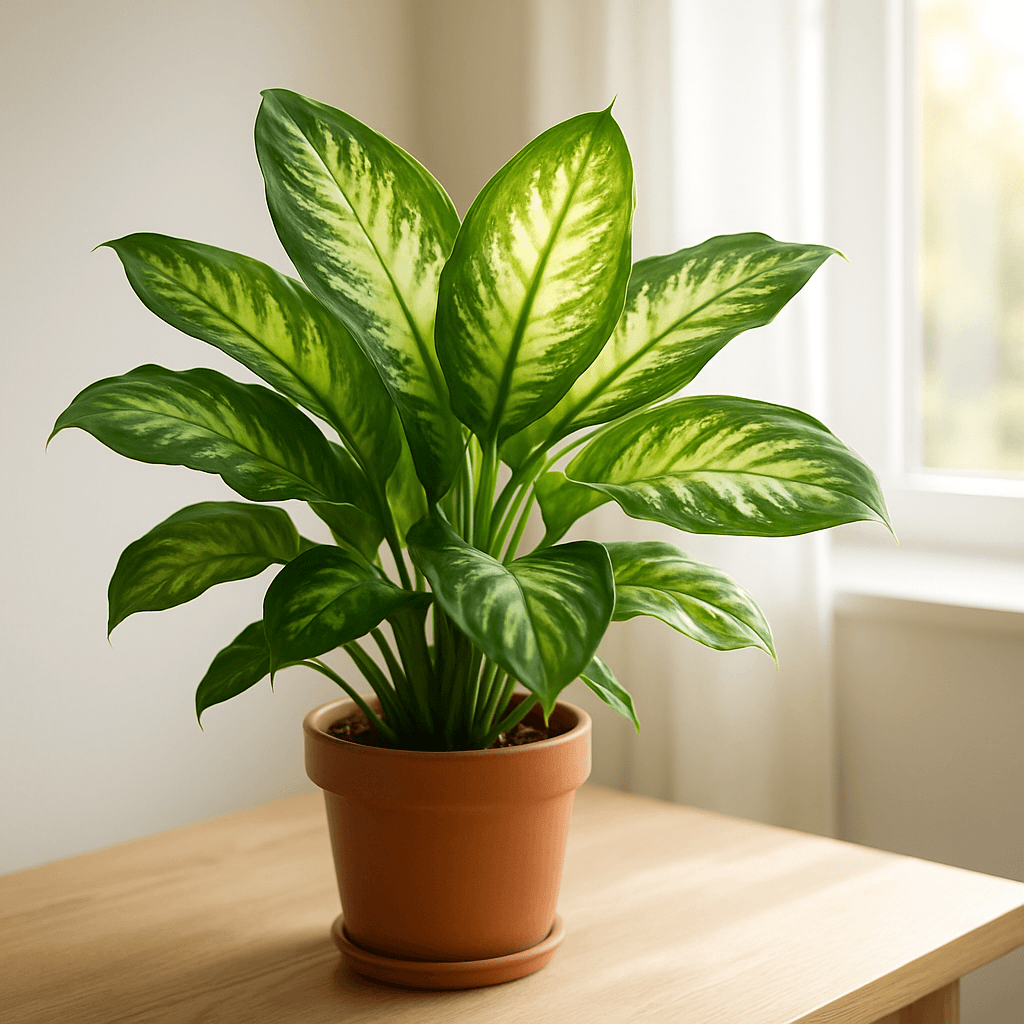
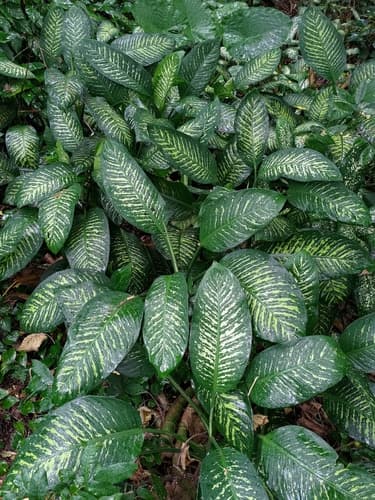
Quick Answer
The most common mistake with dumb cane is overwatering — those yellowing lower leaves are easy to dismiss, but they're usually the first sign the roots are sitting in too much moisture. Let the top inch of soil dry out completely before you water again, and you'll sidestep most of the problems people run into. This plant is genuinely forgiving, but wet feet will undo it faster than anything else.
⭐Difficulty
Easy
☀️Light
Low to bright indirect
💧Watering
Every 1–2 weeks
🌫️Humidity
Medium (40–60%)
🌡️Temperature
60–85°F
📈Growth Rate
Moderate–Fast
Toxicity
Source: ASPCA Animal Poison Control
Watering
Summer
Every 1–2 weeks
Winter
Every 2–3 weeks
Method: Allow top inch to dry between waterings
Water every 1–2 weeks in spring and summer, and back off to every 2–3 weeks in winter. Before you water, stick your finger an inch into the soil — if it still feels damp, wait a few more days. When you do water, water thoroughly until it drains from the bottom, then empty the saucer so the roots aren't sitting in standing water. Overwatering looks like soft, yellowing lower leaves and soil that never seems to fully dry. If you're seeing this, pull back immediately, check that your pot has drainage, and let the soil dry out more completely between waterings. Underwatering is easier to spot — the whole plant droops and the soil feels bone dry and pulls away from the pot edges. Water it thoroughly and it'll usually bounce back within a few hours.
Light Requirements
Low to bright indirect
Dumb cane handles low light better than most plants its size, but it grows noticeably faster and holds its leaf color in medium to bright indirect light. An east-facing windowsill is ideal — a spot 3–4 feet from a south or west window also works well, as long as direct sun doesn't hit the leaves and scorch them.
Soil & Potting
Soil: Well-draining potting mix with perlite
Pot: Any pot with drainage holes
Temperature & Humidity
Temperature: 60–85°F (16–29°C)
Humidity: Medium (40–60%)
Fertilizing
Frequency: Monthly spring/summer
Type: Balanced fertilizer, half strength
Common Problems
Yellow lower leaves → Overwatering or natural aging.
Drooping → Underwatering. Water immediately.
Brown tips → Low humidity or drafts.
Leaf drop → Temperature stress or overwatering.
Propagation
Dumb cane propagates easily from stem or tip cuttings. Cut a 4–6 inch section just below a node (the raised bump where a leaf meets the stem), let the cut end dry for an hour or two, then place it in water or moist perlite. Roots typically appear within 2–4 weeks; once they're an inch or more long, pot the cutting into your standard mix. The thing that trips most people up is planting the cutting before the roots are substantial enough — small, fragile roots don't anchor well, and the cutting tends to rot before it establishes. Wait until the roots are genuinely developed before potting up. Always wear gloves when taking cuttings. The sap that comes from the cut stem is the same stuff that gives the plant its name — it causes a painful burning sensation and temporary swelling if it gets in your mouth, and it's irritating to skin and eyes.
Seasonal Care Calendar
🌸 Spring
Resume fertilizing. Trim any leggy lower stems. Wash hands after pruning.
☀️ Summer
Fast growth. Water and feed regularly. Watch for spider mites in dry weather.
🍂 Fall
Reduce fertilizing. Clean large leaves to maximize winter light absorption.
❄️ Winter
Minimal water and no fertilizer. Keep away from drafts — very cold-sensitive.