Peace Lily Care Guide
Spathiphyllum wallisii
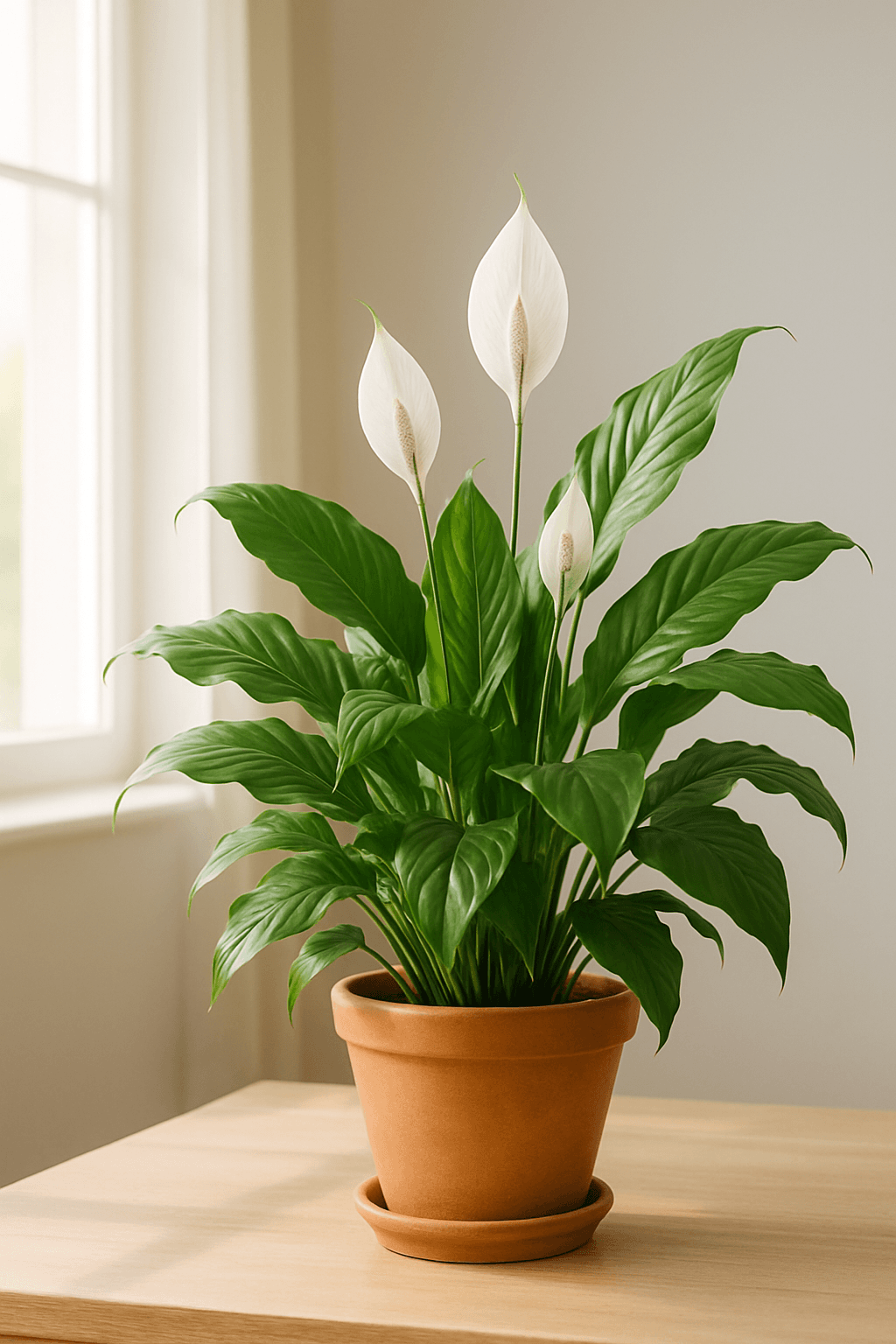
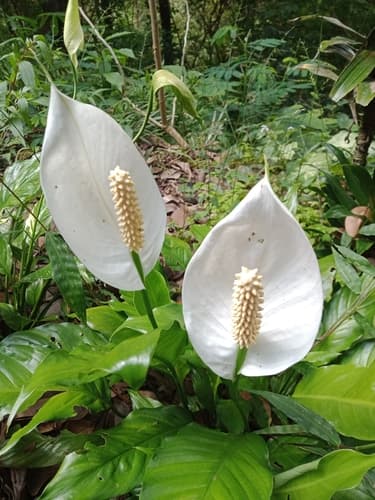
Quick Answer
Stop misting your peace lily — it causes brown spots on the flowers and leaves, and it doesn't actually raise humidity in any meaningful way. Use a pebble tray with water beneath the pot instead. Get those two things right, and peace lilies are genuinely one of the easiest houseplants you can own.
⭐Difficulty
Easy
☀️Light
Low to medium indirect
💧Watering
Every 1 week
🌫️Humidity
Medium–High (50–60%)
🌡️Temperature
60–85°F
📈Growth Rate
Moderate
Toxicity
Source: ASPCA Animal Poison Control
Watering
Summer
Every 1 week
Winter
Every 1–2 weeks
Method: Keep soil consistently moist; never waterlogged
Water your peace lily every week in spring and summer, and pull back to every 1–2 weeks in winter when growth slows. The goal is consistently moist soil — not soggy, not bone dry. Stick your finger an inch into the soil; if it feels barely damp, water thoroughly until it runs out the drainage holes. Peace lilies will actually tell you when they're thirsty — the leaves droop dramatically before any real damage is done. Don't ignore that signal for too long, but don't panic either. Water it thoroughly, and it'll perk back up within a few hours. If you're seeing brown leaf tips, switch to filtered water or let tap water sit out overnight before using it. Peace lilies are sensitive to fluoride and chlorine, and those minerals accumulate in the soil over time and burn the tips.
Light Requirements
Low to medium indirect
Peace lilies do well in low to medium indirect light, which makes them ideal for a north-facing windowsill or set back 3–4 feet from an east or west-facing window. They'll tolerate dim corners better than most plants, but if you want flowers, give them a bit more brightness — a spot near a bright window without direct sun hitting the leaves is the sweet spot.
Soil & Potting
Soil: Rich, well-draining potting mix
Pot: Any pot with drainage holes
Temperature & Humidity
Temperature: 60–85°F (16–29°C)
Humidity: Medium–High (50–60%)
Fertilizing
Frequency: Monthly spring/summer
Type: Balanced fertilizer 20-20-20, quarter strength
Common Problems
Dramatic drooping
The whole plant goes limp and the leaves hang down like it's given up entirely. This is underwatering — the plant is stressed but not dead. Water it thoroughly right now, set it somewhere away from direct sun, and check back in 2–3 hours. It should be largely upright again. If it's still drooping after a full day and the soil is wet, check the roots for rot.
Brown leaf tips
The tips turn tan or brown and feel papery, usually starting on the older leaves. This is almost always fluoride or chlorine sensitivity from tap water, or low humidity. Switch to filtered or distilled water, and put the pot on a pebble tray filled with water to raise the ambient humidity around the plant. New growth should come in clean once you fix the water source.
Yellow leaves
If leaves are turning yellow — especially the lower ones — you're most likely overwatering or the plant is sitting in too much direct sun. Let the soil dry out a bit more between waterings and check that the pot has working drainage holes. If it's a sun issue, move it back from the window until it's getting bright light without any direct rays hitting the leaves.
Not blooming
A peace lily that never blooms is almost always sitting in too little light or is severely root-bound. Move it to a brighter spot — closer to an east or south-facing window without direct sun — and check whether roots are circling the bottom of the pot or pushing out of the drainage holes. Repot it into a container one size up, resume monthly fertilizing in spring, and give it 6–8 weeks. Blooms won't appear overnight, but you should see a flower spike start to emerge. ---
Propagation
Peace lilies propagate by division, and the best time to do it is when you're already repotting in spring. Take the root ball out of the pot, shake off some soil, and look for natural clusters of stems that have their own roots attached — those are your divisions. Gently pull or cut them apart, pot each division into its own container with fresh potting mix, and water thoroughly. The thing that trips most people up is trying to divide the plant into too many small pieces. Each division needs several stems and a decent root system to recover well — one or two stems with barely any roots will sulk for months or just die. Bigger divisions settle in faster and start growing again within a few weeks.
Seasonal Care Calendar
🌸 Spring
This is when your peace lily wakes up and starts putting energy into new growth and flower spikes. Resume fertilizing with a balanced 20-20-20 fertilizer at quarter strength, once a month. If roots are poking out of the drainage holes or circling the surface, repot now into a pot one size up — spring is the easiest time for it to recover from the transition.
☀️ Summer
Blooms typically peak in summer, and the plant is actively growing, so it'll drink more water than you expect. Check the soil every 5–6 days and water consistently. Warm, dry indoor air is when spider mites love to move in, so flip a few leaves occasionally and look for fine webbing or tiny dots on the undersides — catch them early and they're easy to deal with.
🍂 Fall
Some peace lilies will push out a second round of blooms in early fall, which is a nice surprise. Start tapering off the fertilizer by mid-fall — the plant's growth is slowing down and feeding it at full frequency now just sits unused in the soil. Enjoy any late flowers and let the plant ease into its rest period naturally.
❄️ Winter
The plant is barely growing, so it needs very little from you. Water every 1–2 weeks and skip fertilizer entirely until spring. Keep it well away from cold windowpanes and heating vents — peace lilies are shockingly sensitive to temperature swings and anything below 60°F will cause the leaves to yellow and collapse fast.