Oxalis Care Guide
Oxalis triangularis
Quick Answer
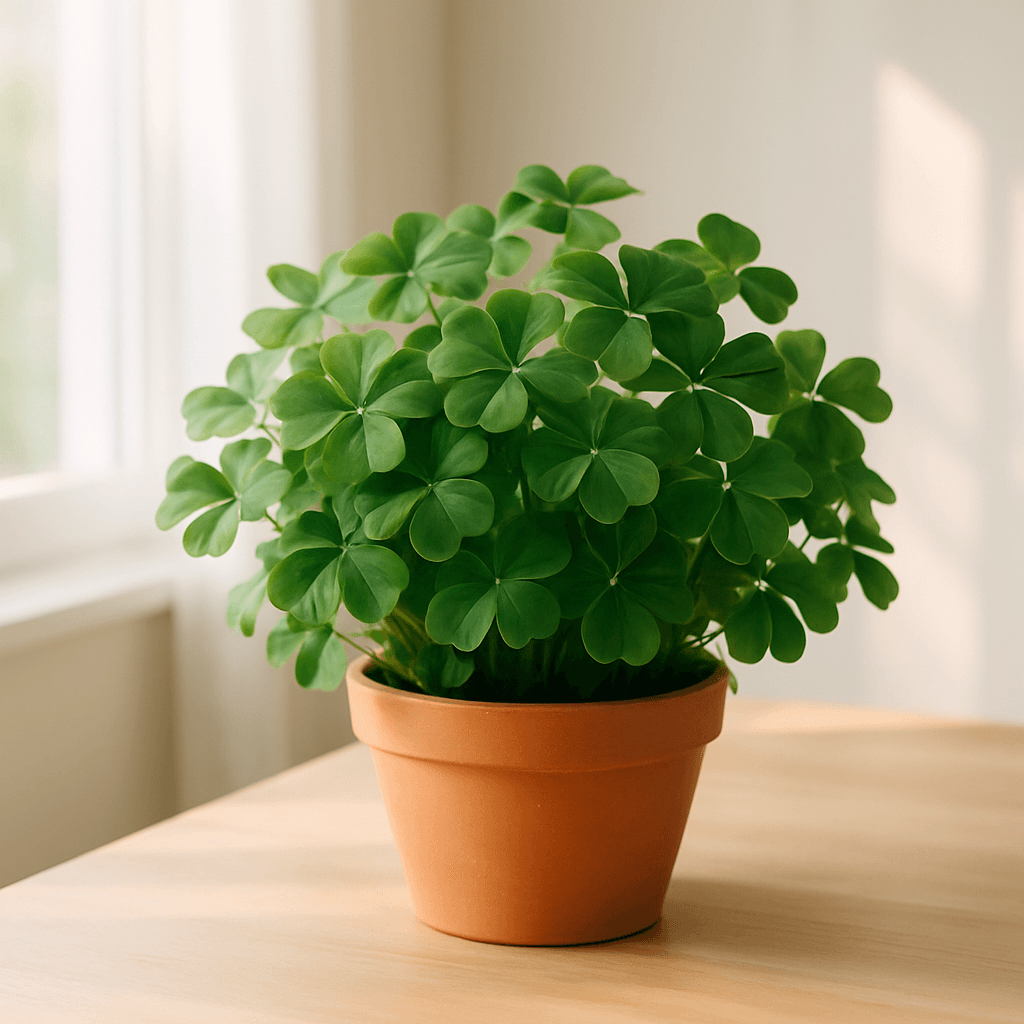
Oxalis is one of the few houseplants that actually benefits from a rest period — when it goes dormant and drops all its leaves, that's the plant doing exactly what it's supposed to do, not dying. Stop watering, let it rest for 4–8 weeks in a cool dry spot, then bring it back out and resume watering. It'll return even more vigorous. The closing leaves at night are also completely normal — that's just how it works.
⭐Difficulty
Easy
☀️Light
Bright indirect to direct
💧Watering
Every 1–2 weeks
🌫️Humidity
Medium (40–60%)
🌡️Temperature
55–80°F
📈Growth Rate
Fast
Toxicity
Source: ASPCA Animal Poison Control
Watering
Summer
Every 1–2 weeks
Winter
Every 2–3 weeks (or dormant — skip)
Method: Allow top inch to dry
In summer, water oxalis approximately every 1–2 weeks; in winter, skip watering entirely if the plant is dormant. Rather than following a calendar, water when the top inch of soil feels dry. Water thoroughly until it drains from the bottom. Drooping with dry soil is a simple thirst signal. If the plant is actively yellowing and wilting despite good watering, it's likely entering dormancy — reduce watering and let it rest.
Light Requirements
Bright indirect to direct
Oxalis does best near a south- or east-facing window where it gets bright indirect light with some direct morning sun. Without enough light, the leaf colour fades and the clover-like leaves stay closed more than open during the day. Direct harsh afternoon sun can scorch the delicate leaves.
Soil & Potting
Soil: Well-draining potting mix
Pot: Any pot with drainage
Temperature & Humidity
Temperature: 55–80°F (13–27°C)
Humidity: Medium (40–60%)
Fertilizing
Frequency: Monthly spring/summer
Type: Balanced fertilizer, half strength
Common Problems
Leaves closing
Leaves closing → Normal! Leaves open with light, close in dark. This is a process called nyctinasty — oxalis folds its leaves in response to darkness and stress (including low temperatures). It's a survival mechanism, not a sign of illness. If leaves stay closed during daylight, it likely needs more light or is too cold.
Yellowing leaves
Yellowing leaves → Going dormant. Normal. Reduce watering. Sudden yellowing of all leaves, especially if happening gradually, almost always means dormancy rather than a disease. Stop watering, cut back the yellowed foliage, and store the pot (with bulbs/corms inside) somewhere cool and dry for 4–8 weeks. Then bring it back into light and resume watering.
Wilting
Wilting → Underwatering or dormancy starting. If soil is dry and the plant is wilting, water thoroughly. If you water and it doesn't recover or continues wilting regardless of moisture, it's entering dormancy. Let it rest rather than pushing it with more water, which can rot the corms.
No growth
No growth → Normal dormancy. Keep cool and dry for 4–8 weeks then resume. After a rest period in dry, cool conditions, bring the pot back to warmth and light and water once. New growth will emerge within 1–2 weeks. Don't try to force growth during dormancy with fertiliser or extra water — it needs the rest.
Propagation
Oxalis propagates very easily by dividing the corms (small bulb-like structures) at the roots. When repotting or when the plant is dormant, gently separate the corms and pot them individually in fresh well-draining mix. Plant corms about 1–2 inches deep with the pointed end up. Water once, place in bright indirect light, and new growth will appear within 1–2 weeks. The common mistake: dividing corms too small or damaging them during separation. Each corm should be at least pea-sized to sprout reliably.
Seasonal Care Calendar
🌸 Spring
Spring is when oxalis re-emerges from dormancy with vigorous new growth. Resume watering and begin fertilising every 2–4 weeks with a balanced liquid fertiliser. Growth is fast — expect abundant leaves and flower buds within weeks of resuming care.
☀️ Summer
Summer brings peak growth for most oxalis varieties. Water regularly, fertilise monthly, and enjoy the abundant clover-like foliage and flowers. If moved outdoors, morning sun with afternoon shade works well. Some varieties go dormant in summer heat rather than winter — watch for signs of yellowing and reduce water if this happens.
🍂 Fall
For most oxalis, fall signals the approach of dormancy. Leaves may begin yellowing and the plant slows noticeably. Reduce watering frequency and stop fertilising. When all leaves have died back, stop watering entirely and let the plant rest.
❄️ Winter
Most oxalis varieties are dormant in winter. The pot sits dry in a cool spot (55–65°F is ideal). Don't water at all during this period. In late winter or early spring, bring it back to warmth and light and resume watering to trigger the next growing cycle.