Polka Dot Plant Care Guide
Hypoestes phyllostachya
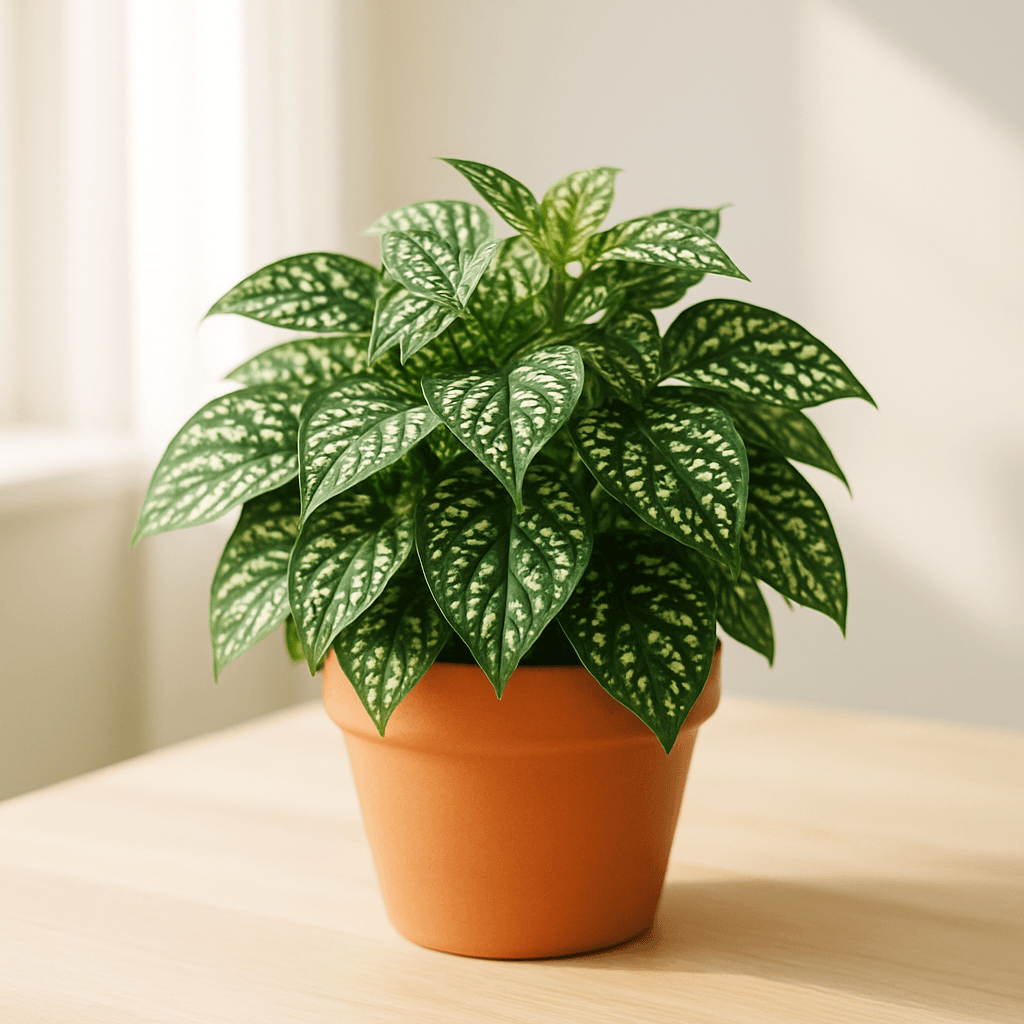
Quick Answer
Polka dot plant needs two things above everything else: bright light to keep its spots vivid, and regular pinching to stay bushy. In low light the spots fade and the stems stretch; without pinching it bolts to flower, becomes leggy, and declines quickly. Pinch off flower spikes the moment they appear to redirect energy back into foliage. It's a short-lived plant — accept that and propagate regularly to keep a constant supply.
⭐Difficulty
Easy–Moderate
☀️Light
Bright indirect
💧Watering
Every 1 week
🌫️Humidity
Medium–High (50–60%)
🌡️Temperature
60–80°F
📈Growth Rate
Fast
Toxicity
Source: ASPCA Animal Poison Control
Watering
Summer
Every 1 week
Winter
Every 1–2 weeks
Method: Keep soil evenly moist; very sensitive to drought
In summer, water polka dot plant approximately every week; in winter every 1–2 weeks. Rather than following a calendar, keep the soil evenly moist — polka dot plant is very sensitive to drought and wilts fast and dramatically. Water when the top inch of soil feels dry, then water thoroughly. Drooping with dry soil is a very clear thirst signal; drooping with wet soil means roots are struggling.
Light Requirements
Bright indirect
Polka dot plant does best 2–3 feet from a south- or east-facing window, screened from direct midday sun. Without bright indirect light, the characteristic pink, red, or white spots fade toward green. Direct harsh afternoon sun can scorch the leaves. A grow light on a 12-hour timer keeps polka dot plants looking their best year-round indoors.
Soil & Potting
Soil: Rich, well-draining potting mix
Pot: Small pot with drainage
Temperature & Humidity
Temperature: 60–80°F (16–27°C)
Humidity: Medium–High (50–60%)
Fertilizing
Frequency: Monthly spring/summer
Type: Balanced fertilizer, half strength
Common Problems
Fading spots
Fading spots → Insufficient light. Move to brighter spot. Polka dot plant's colourful markings are directly tied to light intensity — in low light, the pattern washes out within weeks. Move it closer to a window. Existing faded leaves won't recover their contrast, but new growth will come in vibrantly once light improves. A grow light is very effective.
Wilting
Wilting → Underwatering. Very responsive to drought. Polka dot plant wilts dramatically when dry but recovers quickly after watering — usually within an hour or two. While it bounces back, repeated drought stress weakens the plant over time and makes it more susceptible to pests. Check soil daily in warm weather.
Leggy growth
Leggy growth is a natural tendency of polka dot plant that must be actively managed by pinching. Pinch back the growing tips every 1–2 weeks — this forces the plant to branch and stay compact. Without pinching, it stretches into a tall, sparse plant, then flowers and declines. Use the pinched tips to propagate new plants.
Bolting (going to seed)
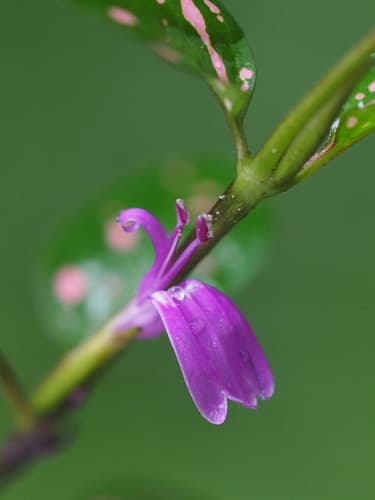
Flowering diverts all energy away from the foliage and signals the plant's decline. Pinch off any flower spikes immediately when they appear — they look like elongated, spiky stalks different from the leaf growth. If a plant has already bolted and gone to seed, take cuttings now to propagate before the plant dies back.
Propagation
Polka dot plant roots extremely easily from stem cuttings in water. Take a 4–6 inch cutting just below a node, remove the lower leaves, and place in a clean jar of water in bright indirect light. Roots appear in 7–14 days. Change the water every 3–4 days. Once roots reach an inch long, transfer to potting mix. Given how short-lived polka dot plants tend to be (1–2 years before declining), taking cuttings every few months ensures you always have a fresh, vigorous plant. The common mistake: waiting until the plant is declining to propagate — take cuttings from healthy, vigorous growth for the best success.
Seasonal Care Calendar
🌸 Spring
Spring is when polka dot plant really takes off with bright light returning. Increase watering, begin fertilising every 2 weeks with a balanced liquid fertiliser, and start pinching tips aggressively to set up a bushy structure for the season. Take cuttings from overwintered plants now.
☀️ Summer
Summer brings the most vivid colours and fastest growth. Water frequently and pinch weekly. If moved outdoors to a bright shaded spot, growth is exceptional. Watch for bolting in the heat — pinch any flower spikes immediately.
🍂 Fall
Growth slows as light decreases. Reduce watering slightly, stop fertilising by late October, and bring outdoor plants inside before temperatures drop below 50°F. Take cuttings now from your best plants to carry into winter.
❄️ Winter
Polka dot plant struggles in dim winter conditions — light is the limiting factor. Maintain on the brightest windowsill available or under a grow light. Reduce watering and fertilising. Consider starting fresh from cuttings in late winter rather than trying to maintain an ageing plant through the darkest months.