Cast Iron Plant Care Guide
Aspidistra elatior
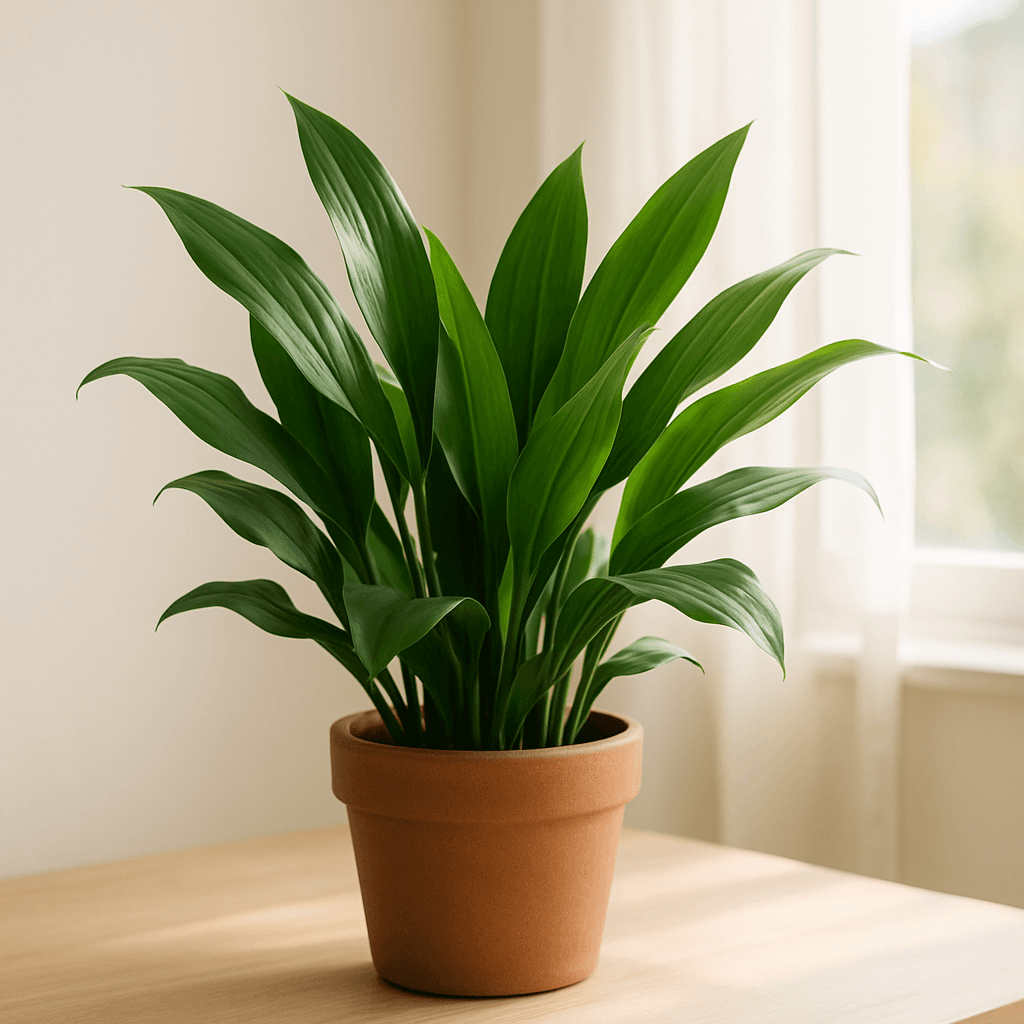
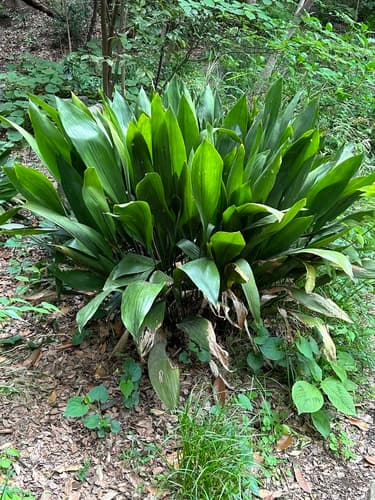
Quick Answer
The most common mistake with cast iron plants is ignoring brown leaf tips and assuming it's a watering or humidity problem — it's almost always tap water chemicals. Switch to filtered or rainwater and you'll stop the damage before it spreads. Beyond that, this plant is genuinely hard to kill, and most care mistakes come from trying too hard with it.
⭐Difficulty
Easy
☀️Light
Very low to medium indirect
💧Watering
Every 2–3 weeks
🌫️Humidity
Low (30–50%)
🌡️Temperature
45–85°F
📈Growth Rate
Very Slow
Toxicity
Source: ASPCA Animal Poison Control
Watering
Summer
Every 2–3 weeks
Winter
Every 3–4 weeks
Method: Allow soil to dry between waterings
Water every 2–3 weeks in summer, backing off to every 3–4 weeks in winter. Before you water, push your finger 2 inches into the soil — if it's still damp, wait. This plant genuinely prefers being slightly dry over being slightly wet. The method matters: pour slowly at the base until water runs out the drainage hole, then let the pot drain fully before putting it back on its saucer. Don't let it sit in standing water. Overwatering signs: A mushy or soft base, yellowing lower leaves that feel limp rather than crisp. If you catch this early, let the soil dry out completely — pull the pot to a brighter, airier spot to speed that up — and skip the next two waterings entirely. Underwatering signs: Rare with this plant, but if leaves go dull and slightly papery, give it a thorough drink and it'll recover quickly. And about that tap water: fluoride and chlorine buildup is the number-one cause of brown leaf tips on cast iron plants. Use filtered water, distilled water, or leave tap water sitting out overnight before you use it. Once you switch, the brown tips will stop spreading — though the existing ones won't reverse.
Light Requirements
Very low to medium indirect
Cast iron plants handle darker spots better than almost anything else you can grow indoors — a north-facing room, a hallway with no direct window, the corner of a living room that gets no sun at all. If you want to see any growth at all (slow as it is), an east-facing windowsill or a spot 4–5 feet back from a south or west window is the sweet spot.
Soil & Potting
Soil: Standard potting mix; not fussy
Pot: Any pot with drainage
Temperature & Humidity
Temperature: 45–85°F (7–29°C)
Humidity: Low (30–50%)
Fertilizing
Frequency: Once a month spring/summer
Type: Balanced fertilizer, quarter strength
Common Problems
Brown tips → Tap water chemicals. Use filtered water.
Yellow patches → Too much direct light. Move to shade.
No new growth → Completely normal — extremely slow grower.
Mushy base → Overwatering. Let dry out completely.
Propagation
Cast iron plants are propagated by division, and you can only do it when you repot — which for this plant is every 4–5 years. When you take the plant out of its pot, you'll see distinct clumps of rhizomes with leaves attached at the base. Use clean, sharp scissors or a knife to cut through the rhizome, making sure each division has at least 2–3 leaves and a good chunk of root attached. Pot each division into fresh potting mix, water lightly, and put them somewhere out of direct light while they settle in. The thing that trips people up: they divide too aggressively and end up with tiny sections that have just one leaf. Those tiny divisions do technically survive, but they can take a year or more to look like a real plant. Bigger divisions — 4–5 leaves at minimum — bounce back much faster and look better from day one.
Seasonal Care Calendar
🌸 Spring
Optional light fertilizing. Very light watering. Repot every 4–5 years if roots are emerging.
☀️ Summer
Water minimally. Tolerates neglect extremely well. No special care needed.
🍂 Fall
Continue minimal care. One of the lowest-maintenance plants in any collection.
❄️ Winter
No fertilizer. Minimal water. Perfect plant to neglect over winter.